

Your Journey, Our Expertise...
Menu

Tsum Valley Manaslu Larkya Pass Trek

23 Days • Moderate • Best season: Autumn/Soring
Tsum Valley Manaslu Larkya Pass Trek
Overview

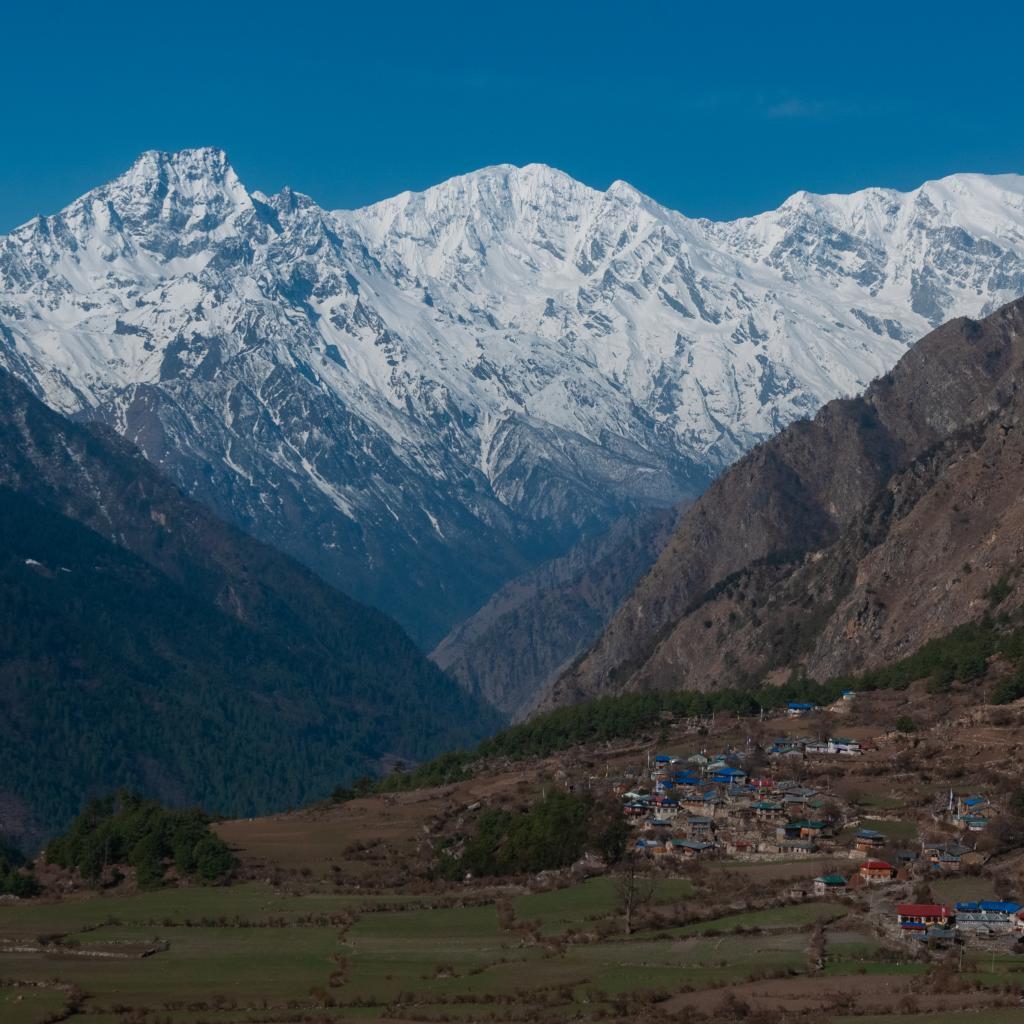
The Manaslu Tsum Valley Trek – 23 Days is an extraordinary journey into the remote and mystical regions of Nepal, combining the thrill of high-altitude trekking with rich cultural immersion. This extended adventure takes trekkers through untouched landscapes, pristine forests, and traditional villages, offering a deep connection with the Himalayan environment and local Tibetan-influenced culture.

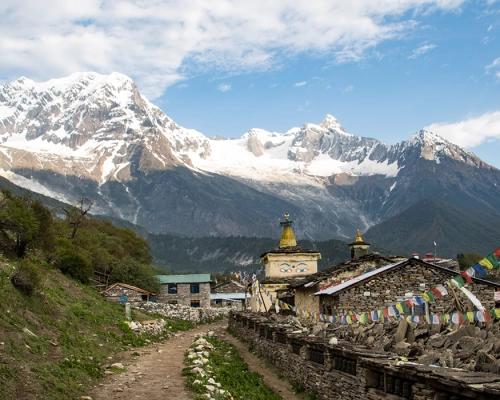
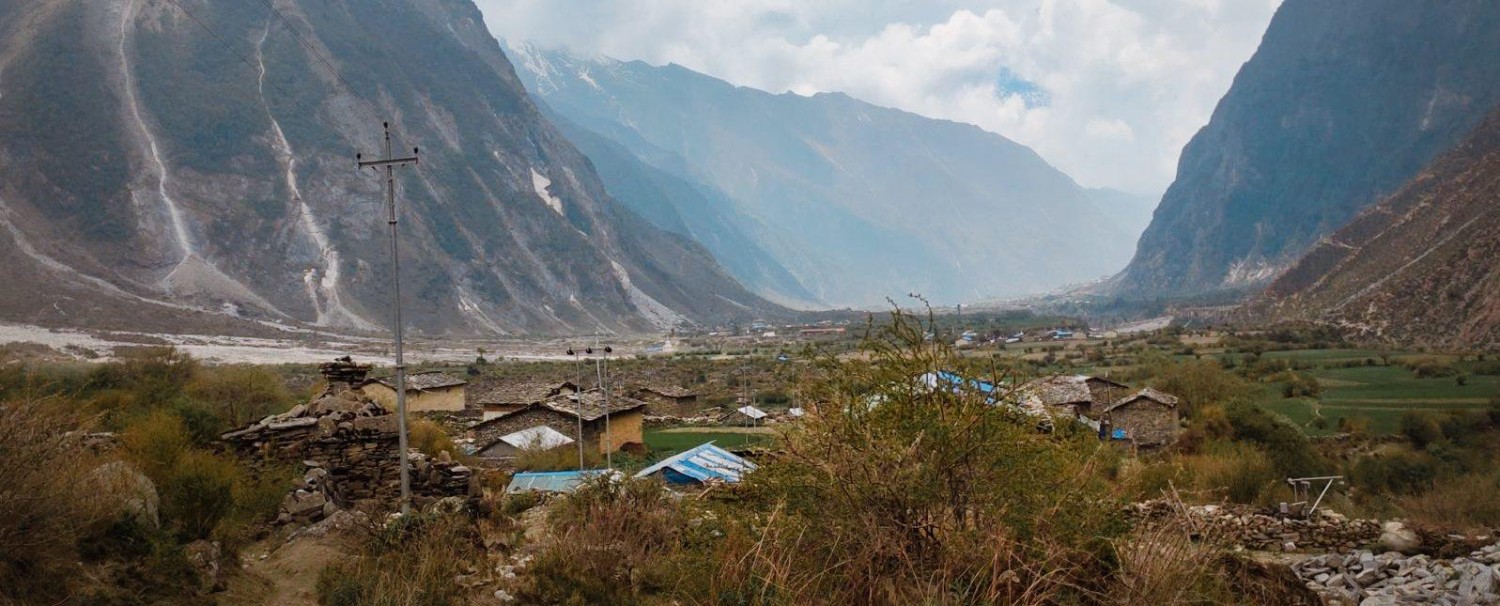
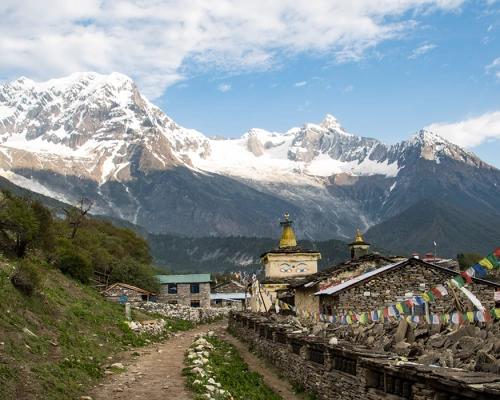
The trek begins from Soti Khola, winding through river valleys, terraced farmlands, and dense forests, gradually ascending to the Tsum Valley, a sacred Himalayan valley known for its ancient monasteries, chortens, and unique Tibetan culture. Along the way, trekkers witness diverse ecosystems, from subtropical jungles to alpine terrains, providing a varied and scenic trekking experience.

One of the key highlights is the Larkya La Pass (5,160 m), which offers panoramic views of Mount Manaslu, Annapurna II, Himlung, and Cheo Himal, followed by a descent into the tranquil Tsum Valley. This valley is home to isolated villages, friendly locals, and centuries-old traditions, allowing trekkers to experience Himalayan culture like nowhere else in Nepal.

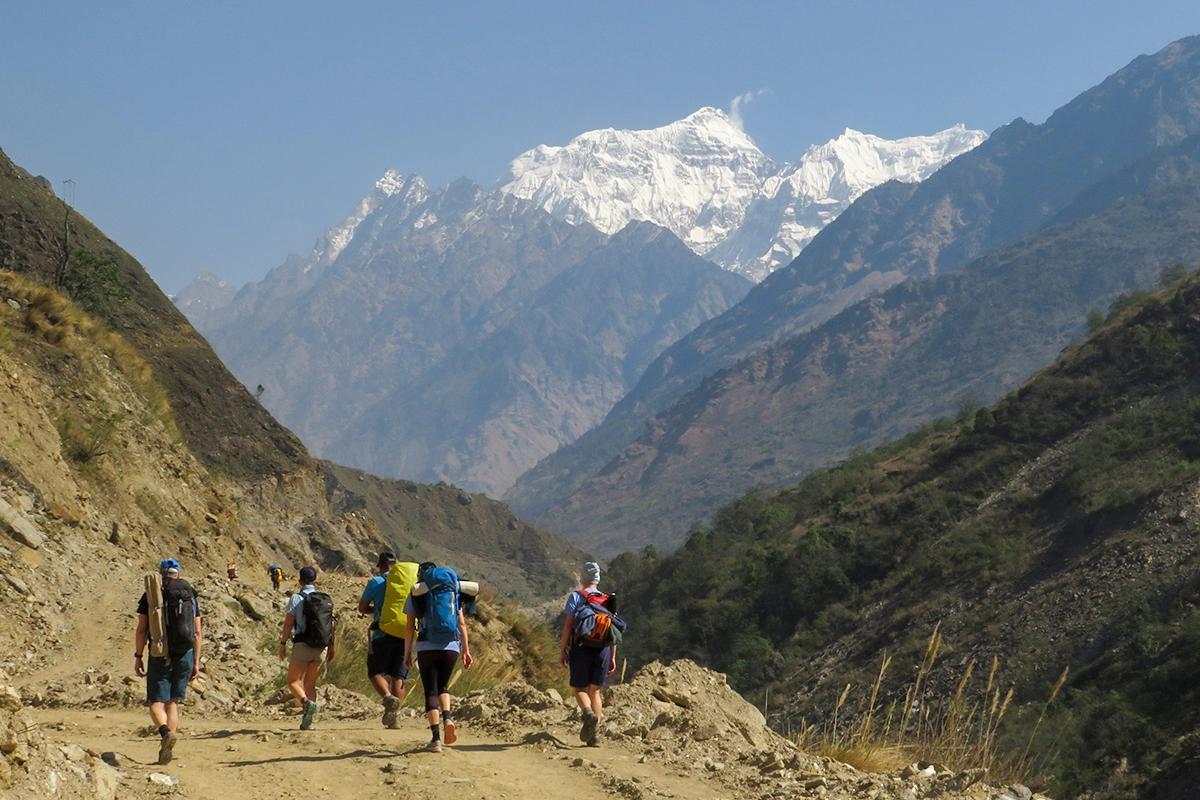
Accommodation is in tea houses and lodges, offering comfortable rooms and locally prepared meals, while experienced guides and porters ensure safety, navigation, and cultural insights throughout the journey. Daily trekking ranges from 5–8 hours, allowing trekkers time for photography, exploration, and rest in high-altitude regions.

Over the 23 days, trekkers enjoy less-crowded trails, serene landscapes, and a deep sense of isolation and adventure, making it ideal for experienced trekkers, nature enthusiasts, and those seeking cultural encounters. By the end of the trek, travelers return to Arughat or Besisahar, carrying unforgettable memories of towering Himalayan peaks, ancient monasteries, and the pristine beauty of the Manaslu Tsum Valley.

Tsum Valley Manaslu Larkya Pass Trek
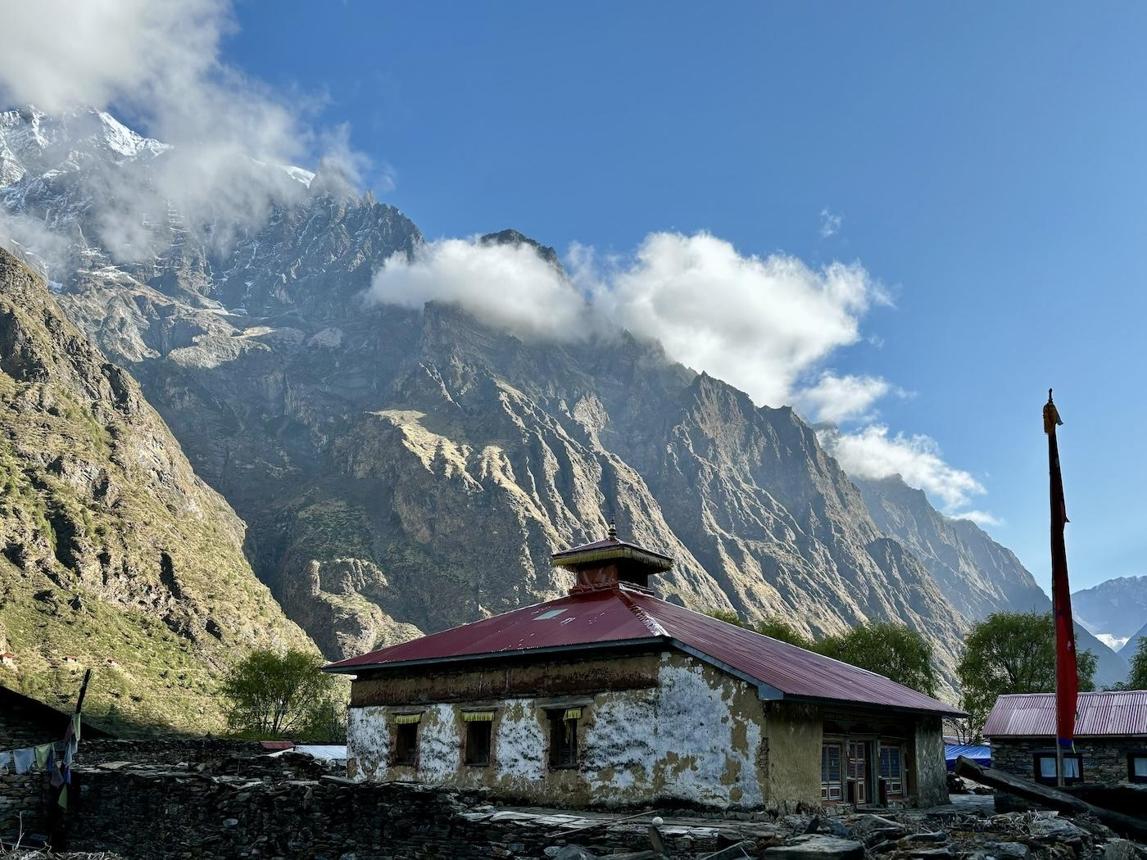
Trekking & Hiking Adventure

Region Manaslu Region
Duration 23 Days
Grade Moderate
Meal B/L/D
Group Size 1-30
Accomodation Hotel/Lodge
Best Season Autumn/Soring
Start/End Kathmandu
Max Altitude 4460m
Activity Trekking
Day 1 — Arrival in Kathmandu
Elevation 1300 m

Upon arrival at Tribhuvan International Airport in Kathmandu, travelers are warmly welcomed by their guide and driver. After clearing immigration and collecting luggage, you’ll be transferred to your hotel in the city, where you can rest, refresh, and recover from your international flight. Depending on your arrival time, you may have the opportunity to explore the vibrant streets of Thamel, the main tourist hub, or enjoy a traditional Nepali meal at a local restaurant.

Kathmandu, the capital of Nepal, is a fascinating city that blends ancient culture with modern life. You’ll notice the bustling markets, colorful temples, prayer flags fluttering in the wind, and historic architecture as you walk through its streets. This day is primarily for adjusting to the city’s rhythm, resting, and preparing for your upcoming trekking adventure or sightseeing tour. Your guide will also provide a briefing on the trek ahead, including tips on packing, acclimatization, and local customs. Overnight stay is at a comfortable hotel in Kathmandu, offering a convenient base to begin your Nepal journey.

Accomodation: Hotel
Meals: Lunch, Dinner
Day 2 — Full Day Kathmandu City Excursion
Elevation 1300 m

After breakfast at your hotel, the day is dedicated to preparing for your upcoming trek and optional Kathmandu sightseeing. Your guide will assist you with checking trekking gear, reviewing your itinerary, discussing acclimatization tips, and answering any last-minute questions to ensure you’re fully prepared for the adventure ahead.

For sightseeing, Kathmandu offers a wealth of cultural and historical attractions, including Swayambhunath (Monkey Temple), Boudhanath Stupa, Pashupatinath Temple, and the vibrant streets of Thamel. These visits provide a glimpse into Nepal’s rich heritage, spirituality, and local life, allowing travelers to connect with the country before setting off on the trek.

Note: You can choose to enjoy Kathmandu sightseeing either before your trek or after it concludes. Please note that only one day of sightseeing is included in your package. If you wish to explore the city on both days, additional costs may apply. This allows you to experience the highlights while keeping your trek schedule comfortable and focused.

Overnight stay is at a comfortable hotel in Kathmandu, giving you a chance to rest, enjoy city views, and finalize preparations for the adventure ahead.

Accomodation: Hotel
Meals: Breakfast, Lunch, Dinner
Day 3 — Drive from Kathmandu to Maccha Khola
Ups ↑ 000 m
Down ↓ 600 m
Elevation 1300 m
Distance ⟺ 160 km drive

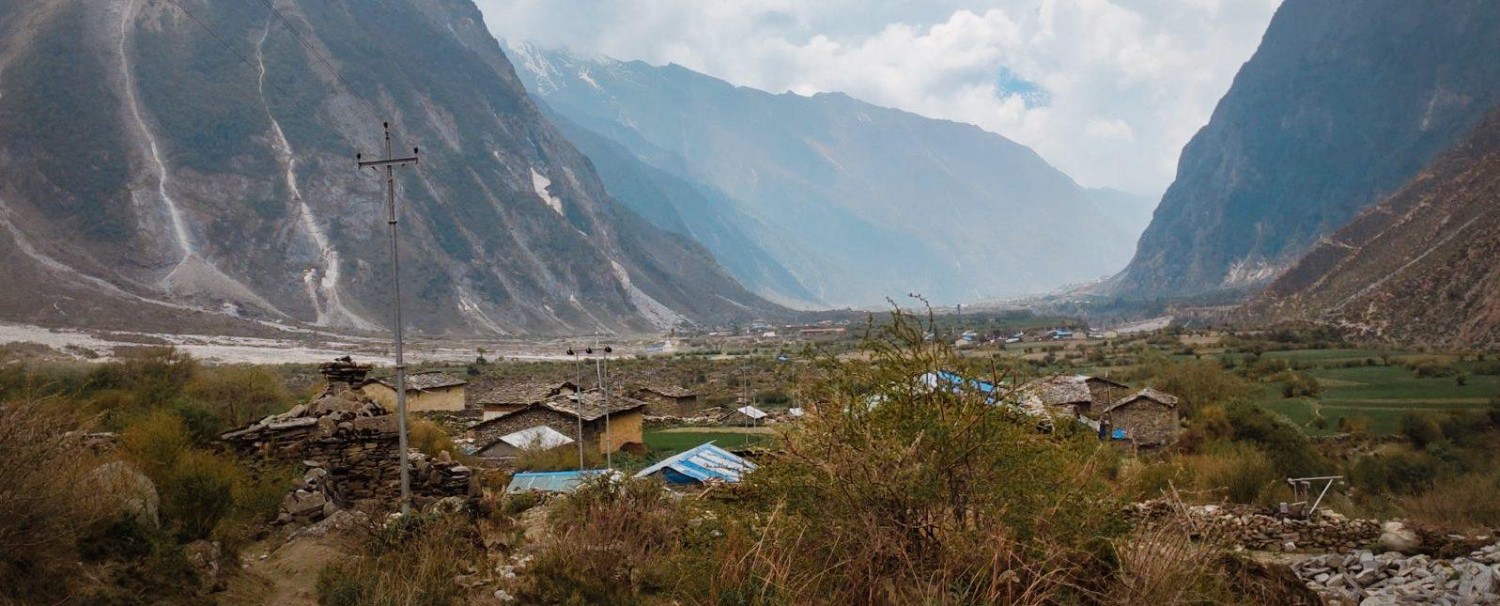
Today marks the real beginning of your Tsum Valley Manaslu Larkya Pass Trek, as you leave the busy capital behind and head toward the remote Budhi Gandaki valley. After an early breakfast in Kathmandu, the journey begins on a scenic drive that gradually transitions from city roads to winding mountain highways. The route passes through Dhading Besi, Arughat, and Soti Khola, following rivers, terraced farmlands, and traditional villages where daily rural life unfolds along the roadside. You’ll see lush green hills, suspension bridges, waterfalls cascading from cliffs, and long stretches of river valleys that hint at the adventure ahead.

As the drive continues deeper into the Manaslu region, the road becomes rougher and more adventurous, especially after Arughat. The views remain rewarding—steep gorges carved by the Budhi Gandaki River, small settlements clinging to hillsides, and occasional glimpses of snow-capped peaks far in the distance on clear days. You’ll arrive at Maccha Khola, a lively riverside village that serves as a major trekking gateway for both the Tsum Valley Trek and Manaslu Circuit Trek. The sound of the river, prayer flags fluttering above lodges, and trekkers gathering from different parts of the world create an exciting trekking atmosphere. After checking into a local lodge, you can relax, enjoy a warm meal, and mentally prepare for the first day of trekking starting tomorrow.

Accomodation: Lodge
Meals: Breakfast, Lunch, Dinner
Day 4 — Trek from Machha Khola to Jagat
Ups ↑ 450 m
Down ↓ 100 m
Elevation 1340 m
Distance ⟺ 14-15 km

Today’s trek officially pulls you deeper into the remote Manaslu region, following the roaring Budhi Gandaki River almost the entire day. Leaving Machha Khola, the trail begins with a mix of stone steps, narrow paths carved into cliffs, and small suspension bridges crossing side streams flowing into the main river. Early on, you pass through Khorlabesi, a small settlement with basic teahouses where many trekkers stop for a short tea break. Just beyond this point, you reach the Tatopani hot springs, tucked beside the river — a natural geothermal spot that locals use, and a fascinating sight even if you don’t stop to soak.

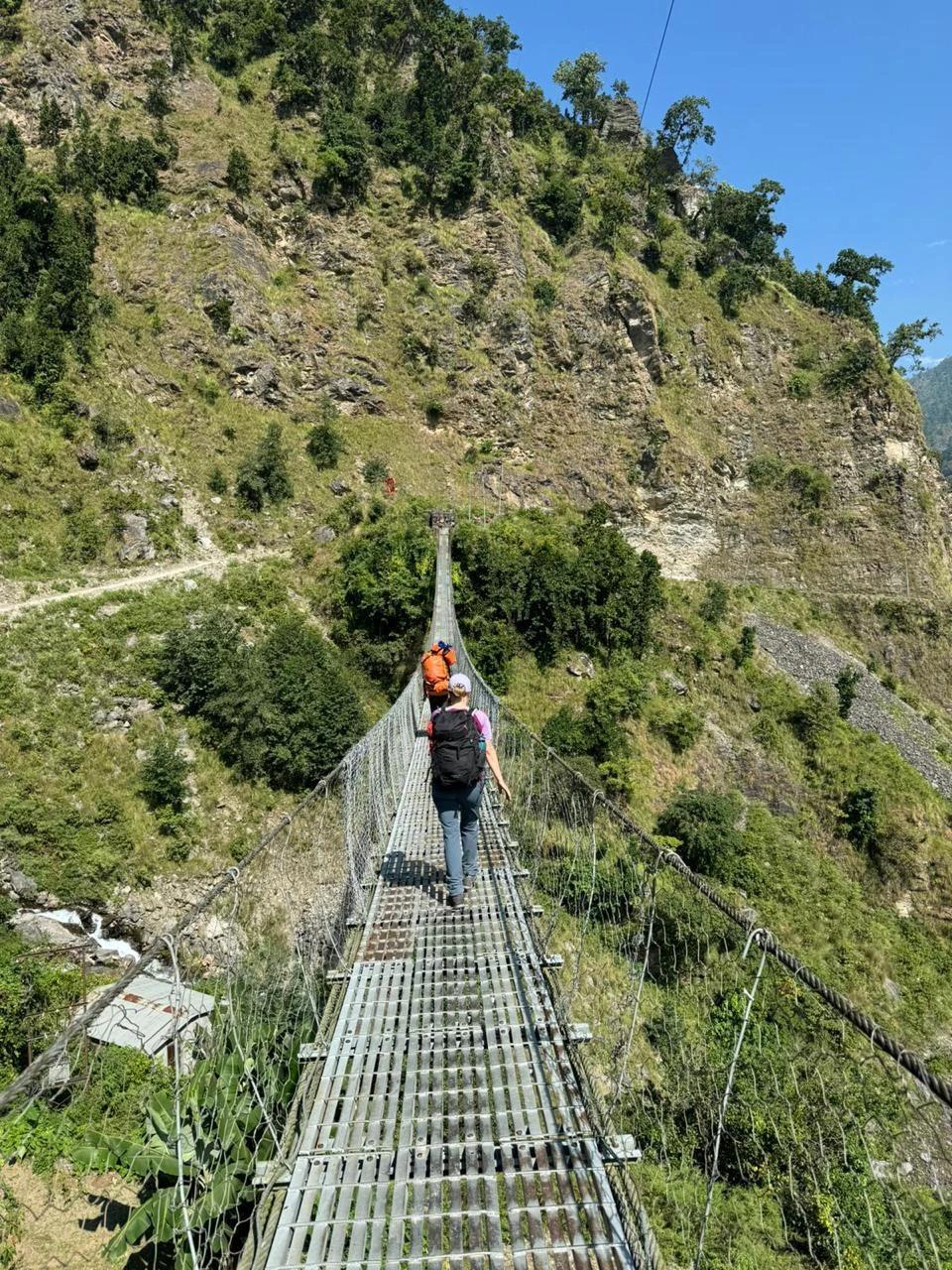
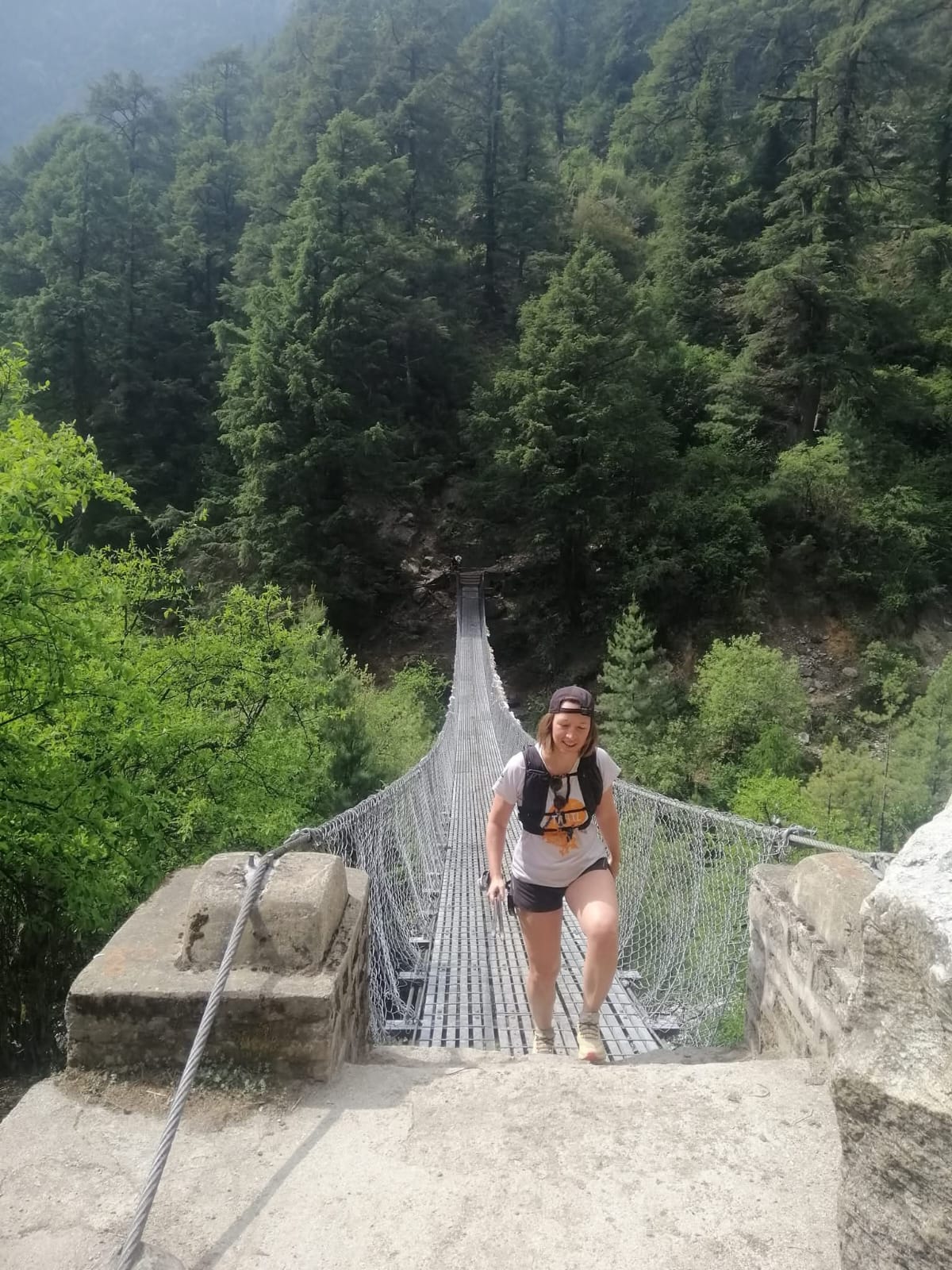
As the trail continues, the terrain becomes more dramatic. You walk through dense forests of bamboo and subtropical vegetation, with the sound of waterfalls echoing from high above. One of the highlights of the day is crossing several long suspension bridges, some hanging high over deep gorges with powerful river currents rushing below. The path includes short but steep climbs, followed by gentle descents, constantly changing your perspective of the valley. Lunch is usually taken at Dobhan or Yaru, small riverside villages where simple but hearty trekking meals are served. After lunch, the trail gradually climbs on a wider stone path, passing mani walls and prayer flags, signaling your entry into culturally significant Tibetan-influenced areas. By late afternoon, you reach Jagat, a charming stone-paved village and an important checkpoint for permits. Jagat feels more organized, with well-built houses, lodges, and a strong sense of Himalayan village life.

Accomodation: Lodge
Meals: Breakfast, Lunch, Dinner
Duration: 6-7 hours
Day 5 — Trek from Jagat to Lokpa
Ups ↑ 900 m
Down ↓ 000 m
Elevation 2240 m
Distance ⟺ 17 km

Today is special as you officially enter the remote Tsum Valley, one of Nepal’s most culturally preserved Himalayan regions. Leaving Jagat, the trail climbs gradually through forests of pine and rhododendron, with fewer trekkers and a noticeably quieter atmosphere. After crossing a suspension bridge, the trail branches away from the main Manaslu Circuit route, signaling entry into the hidden valley of Tsum.

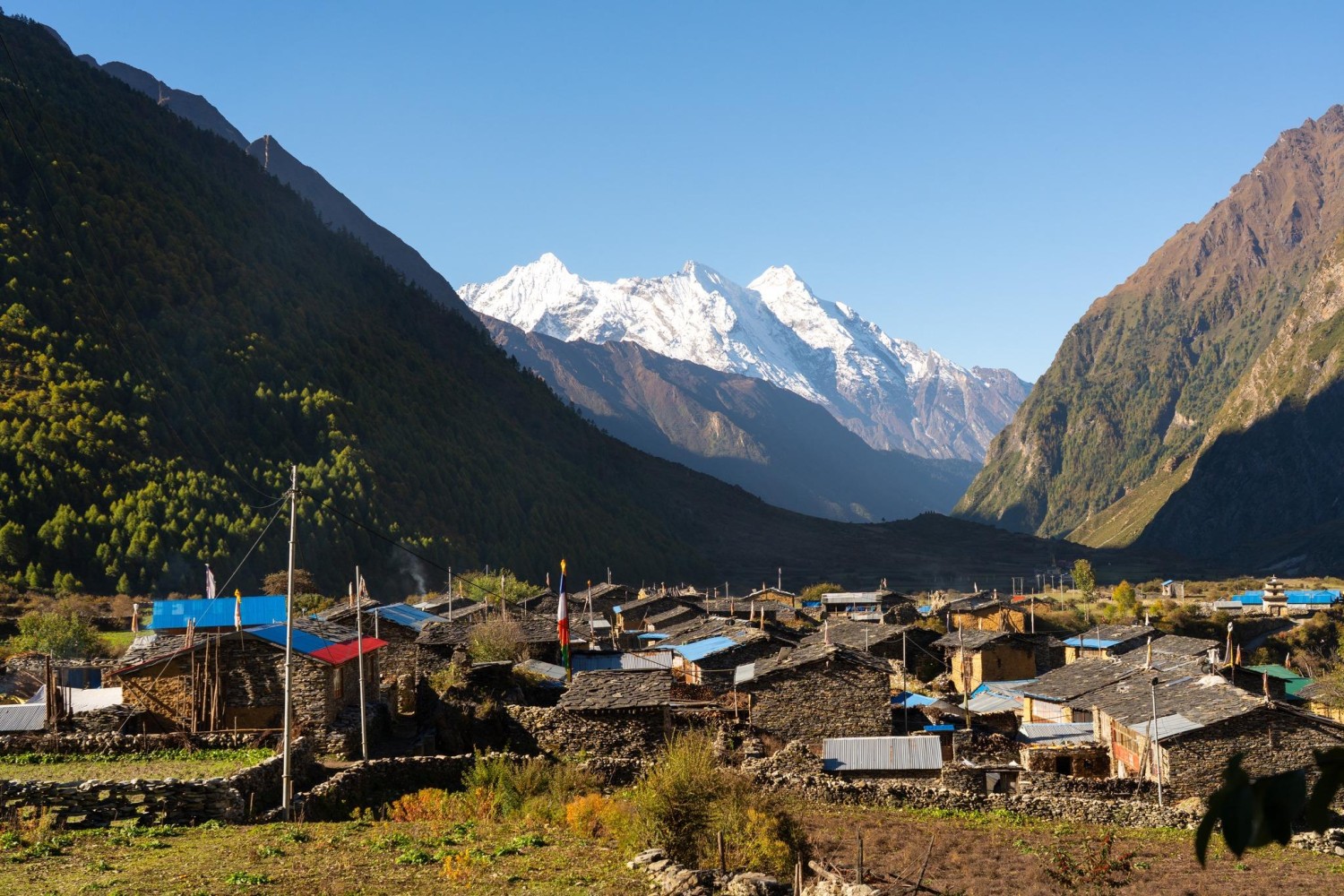
The path becomes more peaceful and spiritual, passing mani walls, chortens, and prayer flags, reflecting the strong Tibetan Buddhist culture of the region. As you ascend, you’ll catch distant views of Ganesh Himal and Shringi Himal, while the Budhi Gandaki gorge drops far below. The final stretch to Lokpa, the first village of Tsum Valley, involves a steady climb on a narrow trail with dramatic cliffside views. Lokpa feels isolated and timeless, surrounded by high ridges and untouched landscapes. Overnight stay is at a simple lodge in Lokpa.

Accomodation: Lodge
Meals: Breakfast, Lunch, Dinner
Duration: 6-7 hours
Day 6 — Trek from Lokpa to Chumling (Tsum Valley Entry Day)
Ups ↑ 300 m
Down ↓ 150 m
Elevation 2386 m
Distance ⟺ 6-7 km

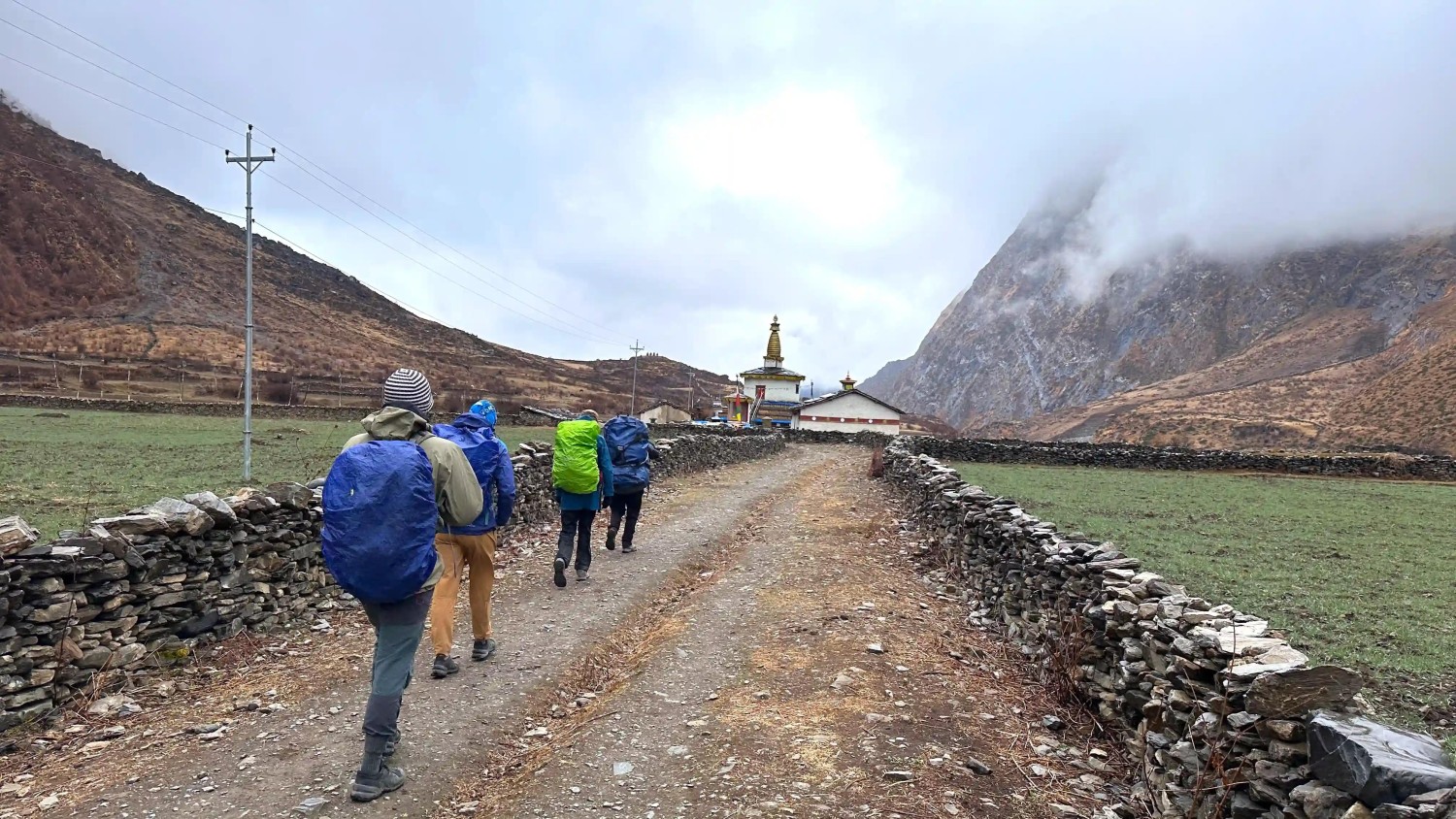
Today is a very special day because this is when you officially enter the sacred Tsum Valley, a hidden Himalayan valley deeply influenced by Tibetan Buddhism. Leaving Lokpa, the trail begins with a gentle descent through quiet pine and rhododendron forests, where the air feels fresh and the surroundings become noticeably calmer. The sound of the Shiar Khola river accompanies you as you walk along narrow trails carved into the hillside, offering beautiful views of deep gorges below and forested slopes above.

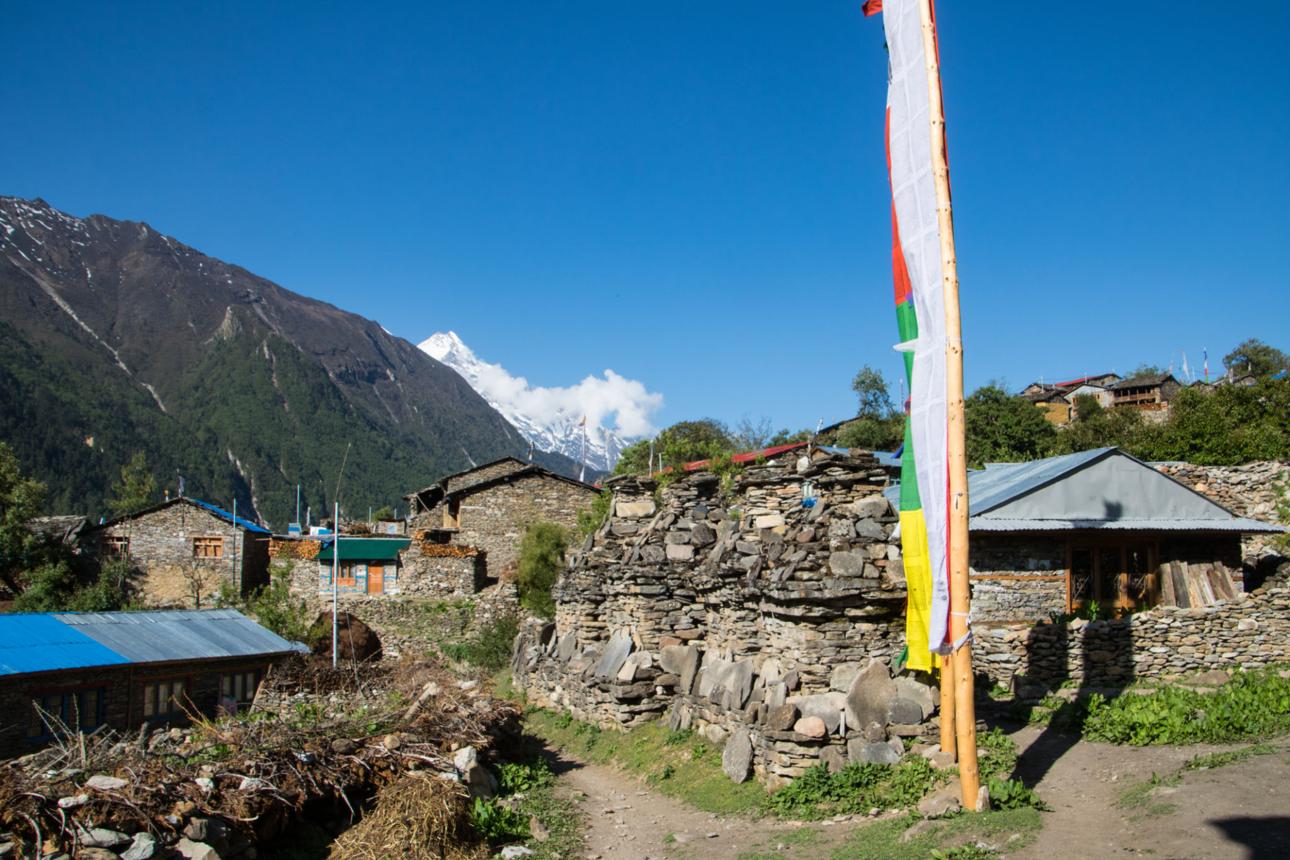
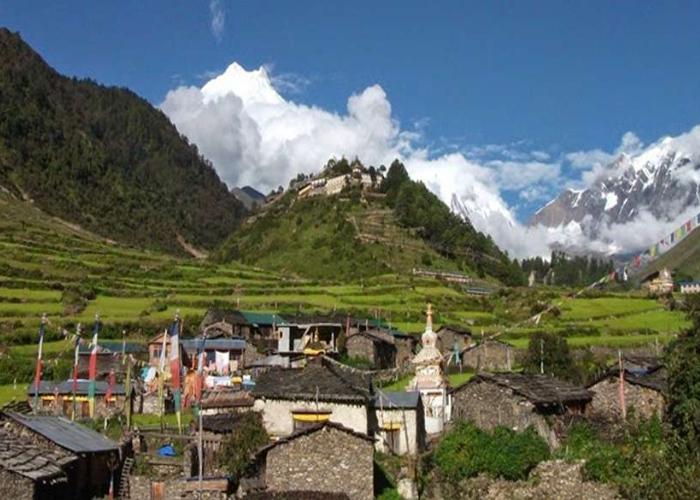
As the trek continues, you cross small wooden bridges and stone steps, gradually descending toward the river before climbing again on the opposite side. Prayer flags start to appear more frequently, signaling the spiritual nature of the valley ahead. The trail then ascends steadily through terraced fields and traditional stone houses, giving the first real glimpse of Tsum Valley life. You pass through small settlements and mani walls carved with Buddhist mantras, reflecting the strong Tibetan Buddhist culture of the region. Eventually, you reach Chumling, a peaceful village set above the Shiar Khola, surrounded by green fields, forested hills, and distant snow peaks.

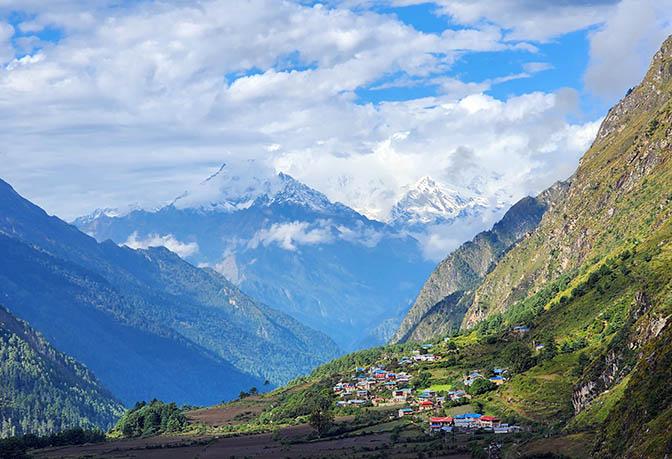
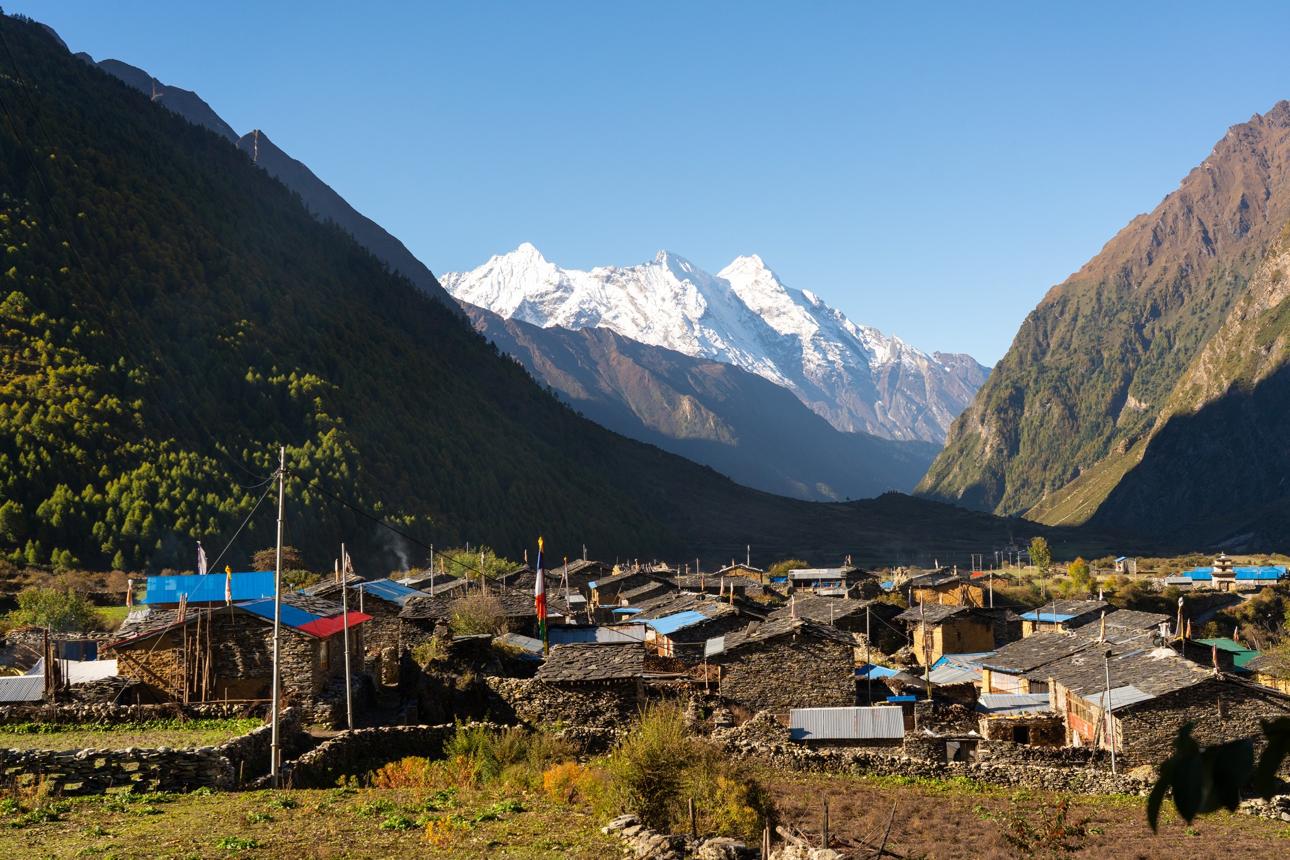
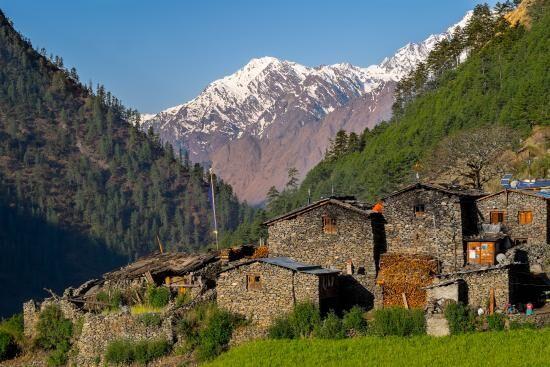
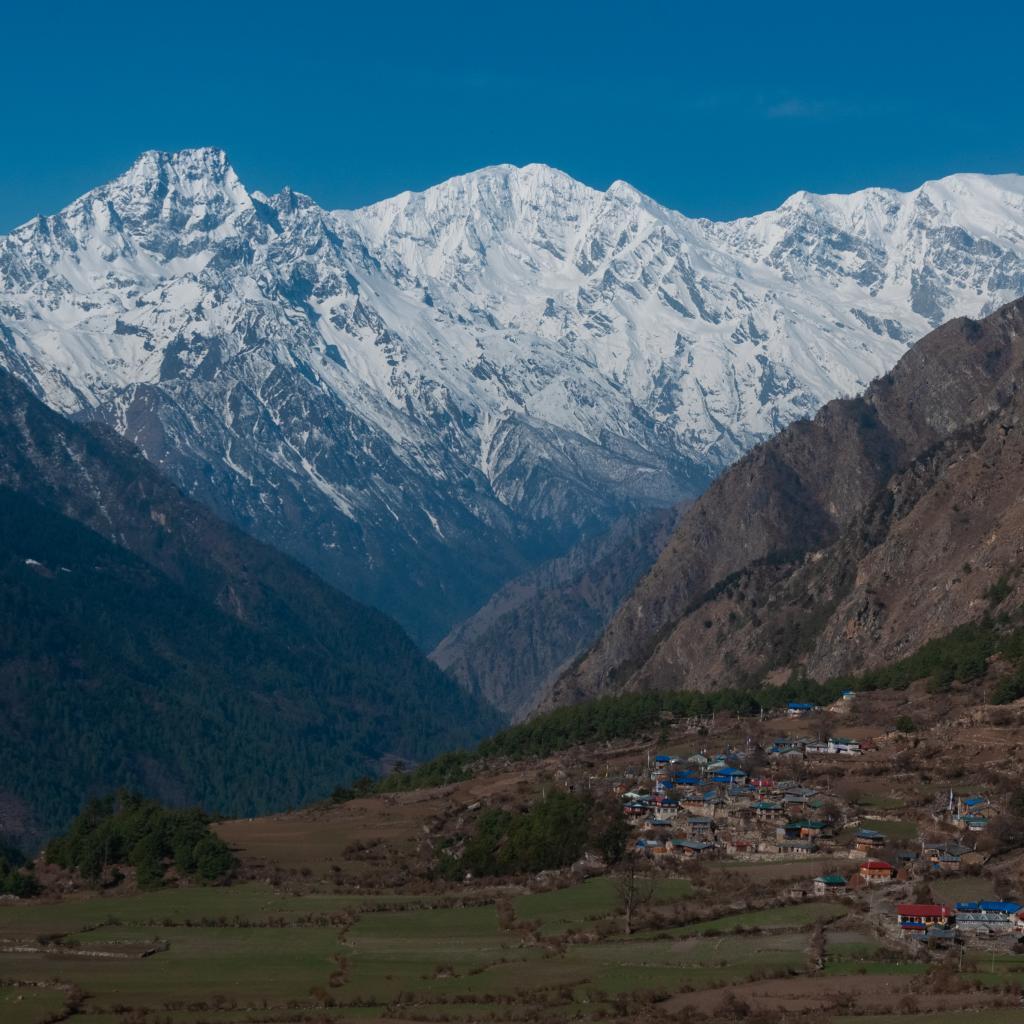
Chumling is one of the most charming villages in the Tsum Valley, home to ancient monasteries and warm local hospitality. From the village, you can enjoy views of Ganesh Himal and surrounding ridges, especially during clear weather. The calm environment, absence of crowds, and deep cultural atmosphere make this day one of the most memorable parts of the trek. Overnight, you stay in a local teahouse, enjoying simple meals and the peaceful silence of this hidden Himalayan valley.

Accomodation: Lodge
Meals: Breakfast, Lunch, Dinner
Duration: 4-5 hours
Day 7 — Trek from Chumling to Chhekampar
Ups ↑ 650 m
Down ↓ 100 m
Elevation 3031 m
Distance ⟺ 10-11 km

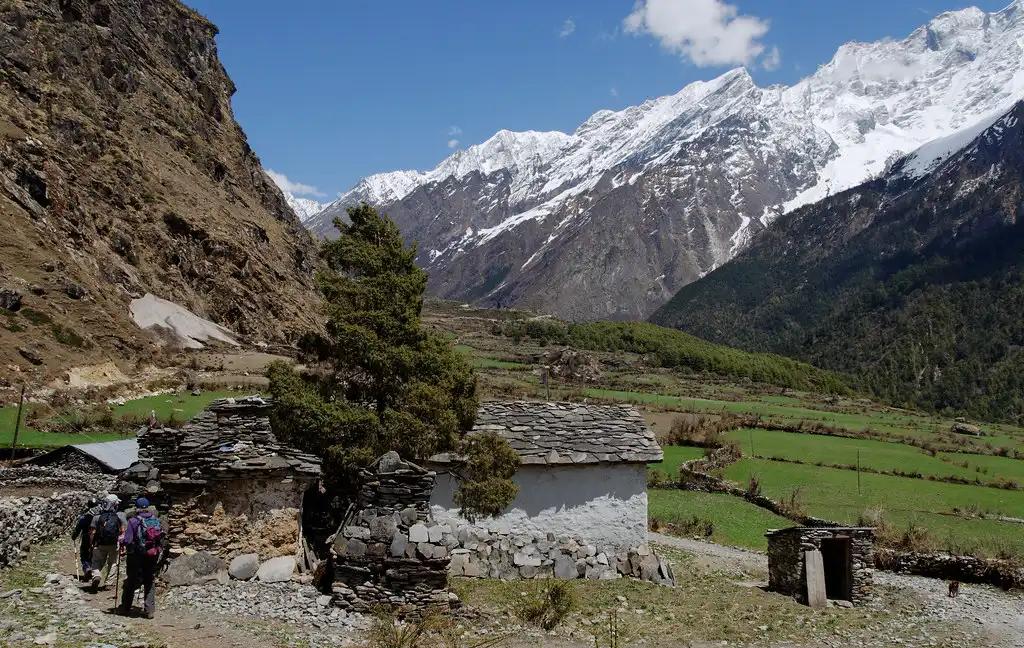
Today’s walk feels like stepping deeper into the hidden world of Tsum Valley. Leaving Chumling, the trail climbs steadily through pine, juniper, and rhododendron forests, following the rugged contours of the Siyar Khola valley. Early on, you cross wooden and suspension bridges over fast-flowing mountain streams, where prayer flags flutter above the water, marking spiritually important crossings. The path alternates between gentle forest walks and steeper uphill sections carved into cliffs, offering occasional open views of Ganesh Himal peeking through the trees.

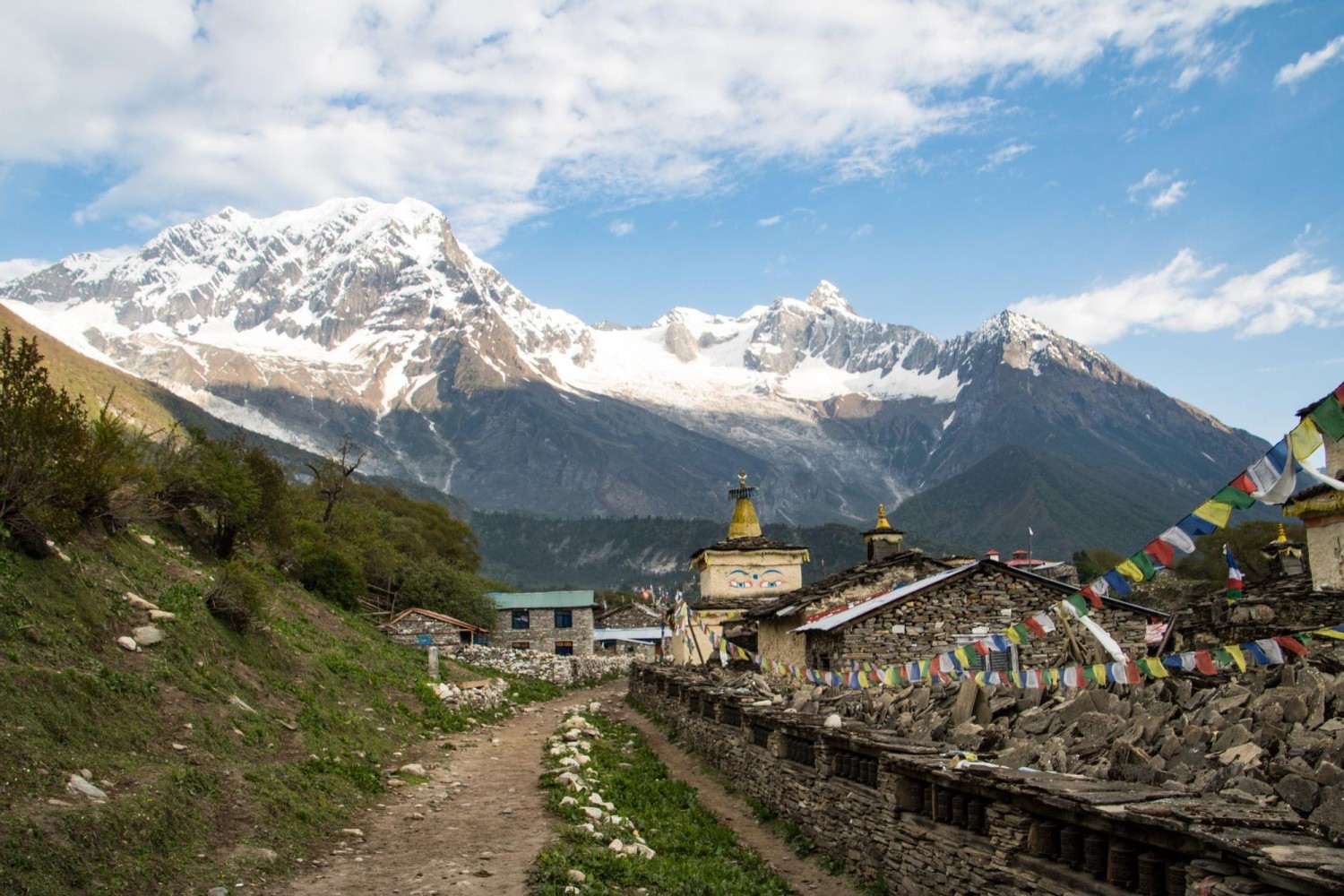
As you gain altitude, the landscape becomes more raw and dramatic. Mani walls, chortens, and long stretches of stone-carved trails signal your arrival into Upper Tsum, a region deeply influenced by Tibetan Buddhism. Passing through small settlements like Domje, you begin to notice traditional stone houses, yak pastures, and barley fields, a clear sign that you’re entering one of Nepal’s most culturally preserved valleys. The final climb to Chhekampar rewards you with wide views of surrounding hills and a peaceful village atmosphere untouched by modern development. The day ends with an overnight stay in a local lodge, where the calm silence of the valley and distant mountain winds make the experience truly special.

Accomodation: Lodge
Meals: Breakfast, Lunch, Dinner
Duration: 5-6 hours
Day 8 — Trek from Chhekampar to Nile
Ups ↑ 350 m
Down ↓ 50 m
Elevation 3361 m
Distance ⟺ 9-10 km

The day begins in the peaceful village of Chhekampar, surrounded by wide alpine fields, stone houses, and prayer flags fluttering gently in the morning wind. As you leave the village, the trail follows a gradual and scenic ascent through the upper Tsum Valley, one of the most culturally preserved regions in Nepal. The path is well-defined and relatively gentle, making it a pleasant trekking day compared to the lower Budhi Gandaki section. Along the way, you pass ancient mani walls, prayer wheels, and chortens, reminding you that this valley is deeply rooted in Tibetan Buddhist culture.

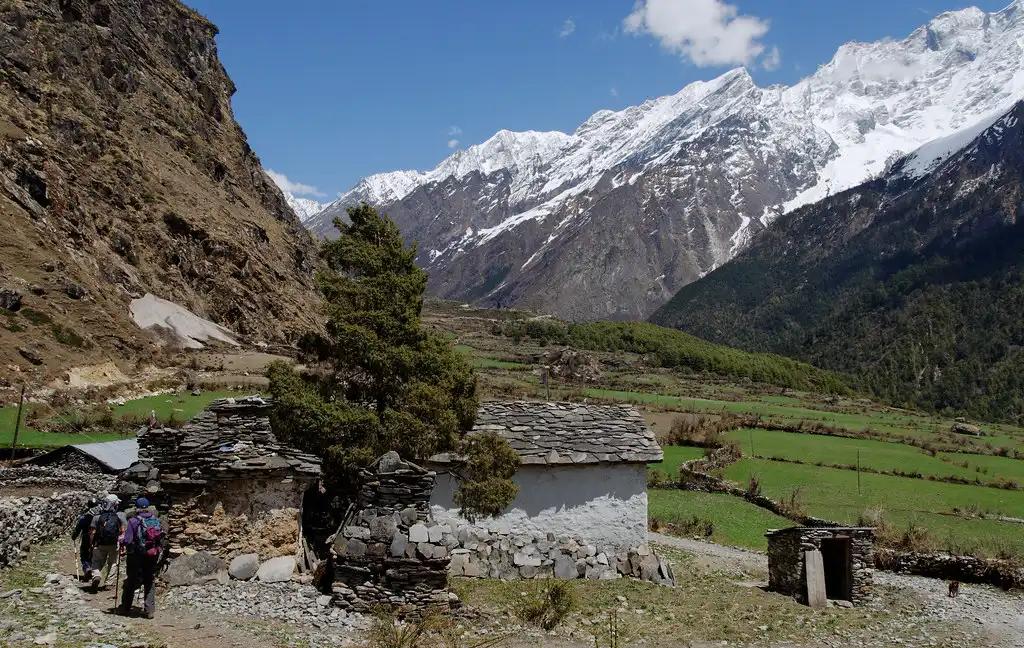
The trail moves alongside small glacial streams and crosses a few wooden bridges, offering beautiful views of the surrounding mountains such as Ganesh Himal, Shringi Himal, and Buddha Himal. You will walk through yak pastures and open meadows, where locals can often be seen herding yaks and sheep. Midway through the trek, small settlements like Phurbe and Lar appear, perfect spots for a simple lunch stop at a local teahouse, where you can enjoy dal bhat or Tibetan bread while soaking in the quiet mountain atmosphere.

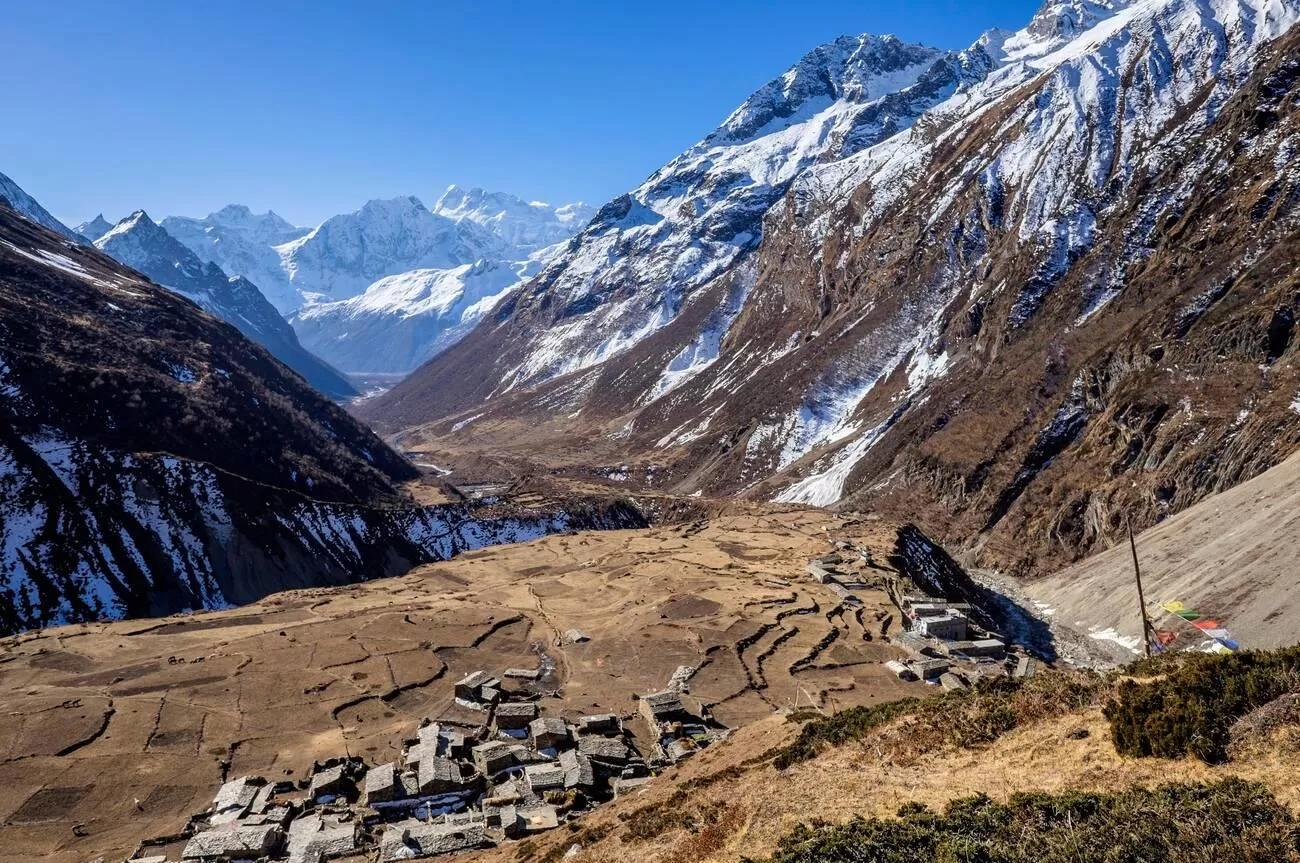
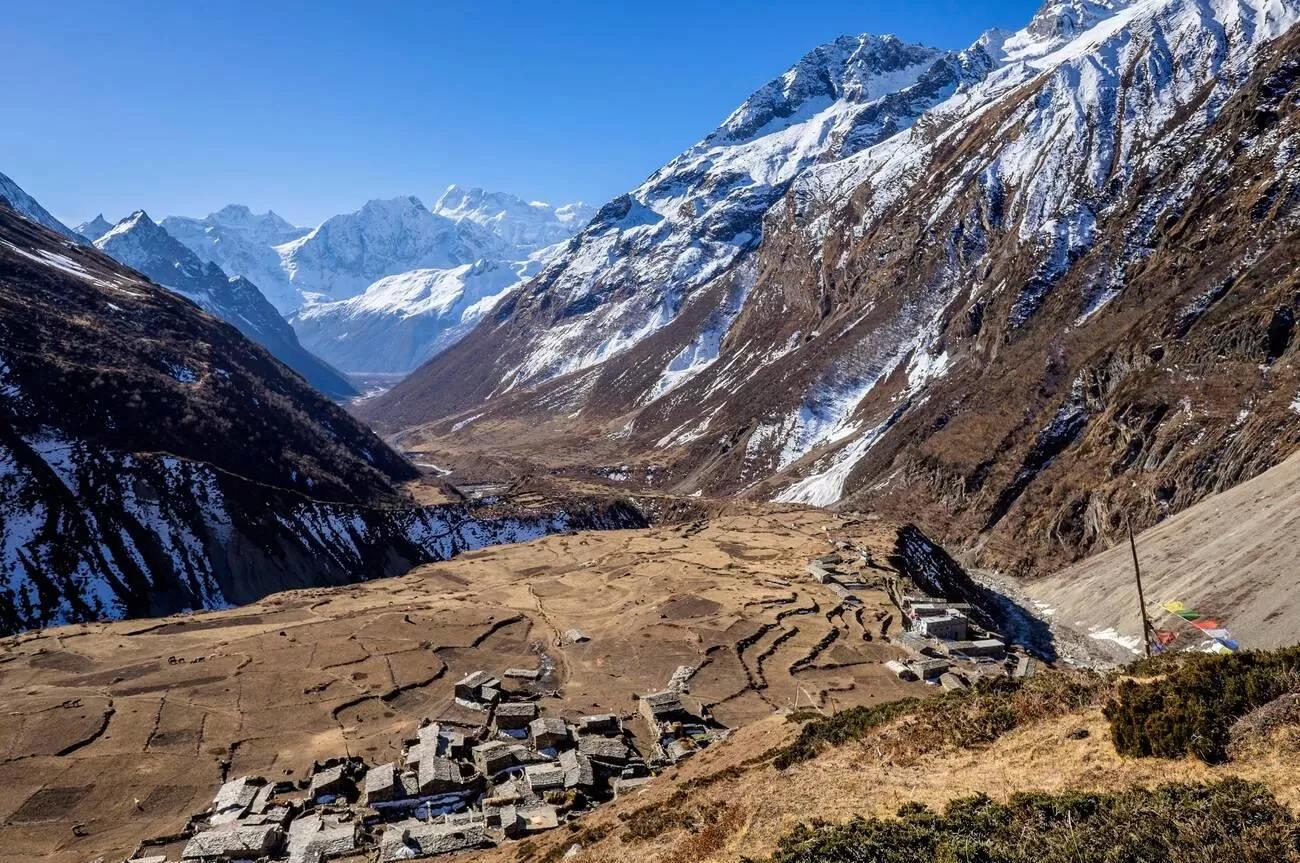
As you approach Nile, the landscape becomes more open and dramatic. The village sits close to the Tibetan border, and the air feels thinner and cooler. Nile is one of the last permanent settlements in the Tsum Valley and feels incredibly remote. The surrounding cliffs, snow-dusted peaks, and wide valley floor create a sense of isolation and serenity. Upon arrival, you settle into a local lodge, enjoy a warm meal, and rest while preparing for further exploration toward Mu Gompa or higher sections of the trek.

Accomodation: Lodge
Meals: Breakfast, Lunch, Dinner
Duration: 5-6 hours
Day 9 — Exploration Day: Nile – Mu Gompa – Chhekampar
Ups ↑ 400 m
Down ↓ 690 m
Elevation 3700 m
Distance ⟺ 12-14 km

Today is a deep cultural and spiritual exploration day in the heart of the Tsum Valley, often called the Hidden Valley of Happiness. After an early breakfast in Nile, the trail gently ascends through a wide, open alpine landscape with stone-walled fields, ancient mani walls, and long lines of prayer flags fluttering in the wind. The walk toward Mu Gompa is peaceful and gradual, following the upper reaches of the Shiar Khola, with stunning views of Ganesh Himal, Himlung Himal, and surrounding snow-covered ridges. The terrain here feels remote and untouched, and the silence is broken only by wind, yak bells, and chanting from distant monasteries.

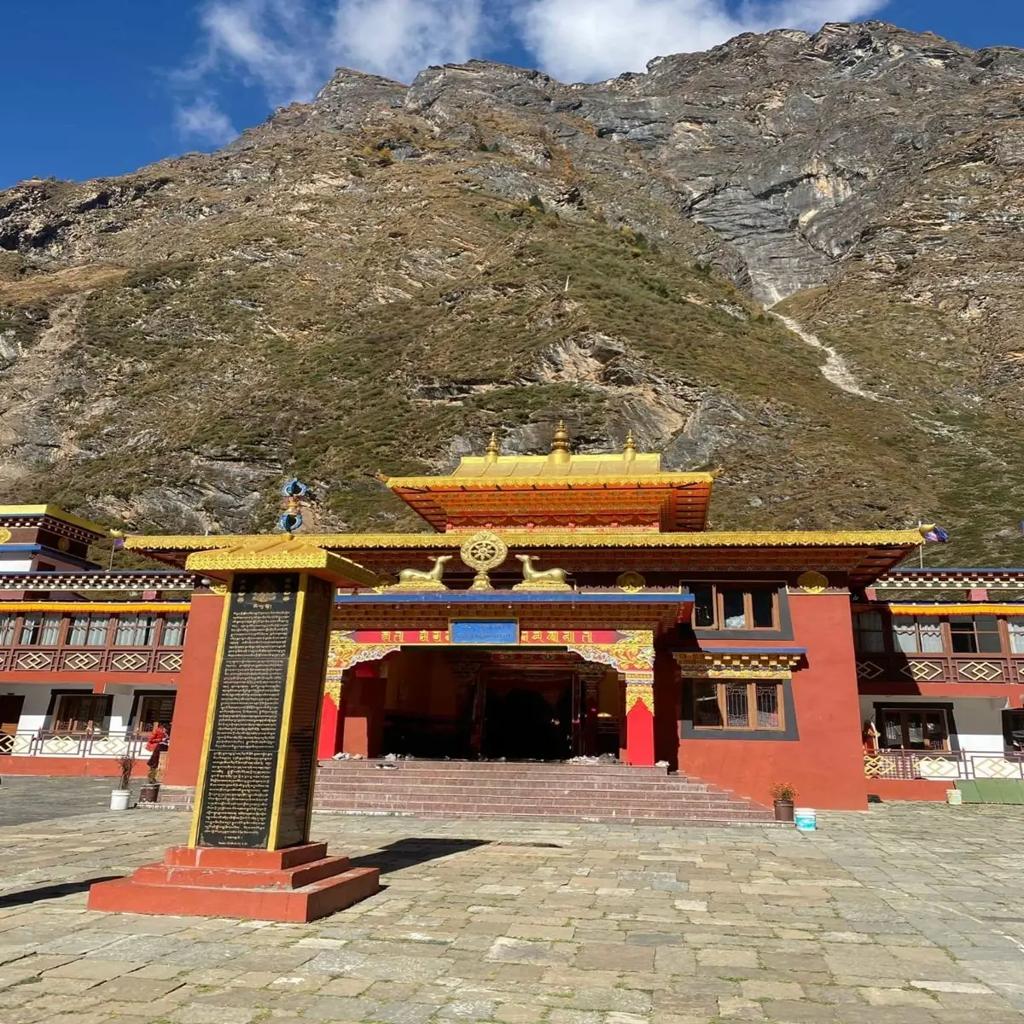
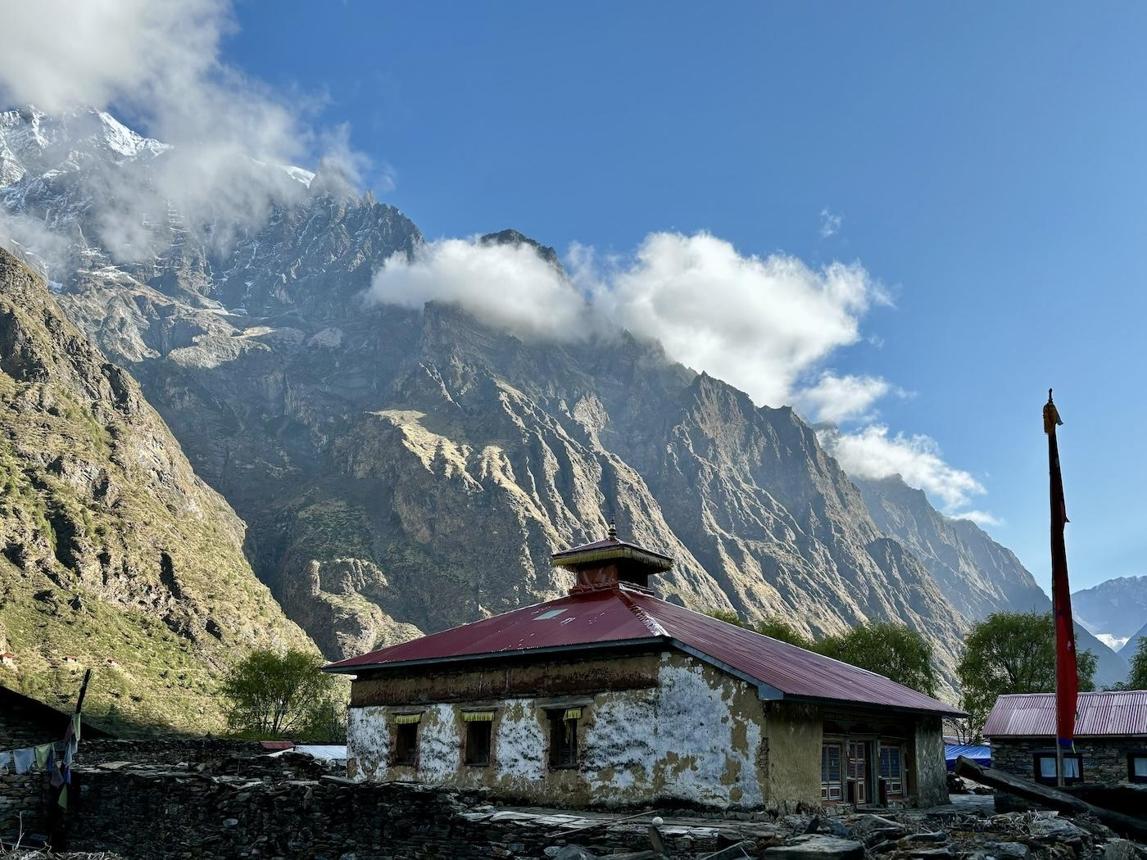
Reaching Mu Gompa (3,700 m) is a highlight of the entire Tsum Valley Manaslu Larkya Pass Trek. This is the largest and most important monastery in Tsum Valley, perched on a high plateau surrounded by dramatic Himalayan scenery. You’ll have time to explore the monastery, interact with resident monks, observe daily prayers, and learn about the ancient Tibetan Buddhist traditions that have been preserved here for centuries. After soaking in the spiritual atmosphere and panoramic views, the trek descends gradually back toward Chhekampar, retracing parts of the trail through yak pastures, chortens, and stone villages. The descent feels relaxed, with golden afternoon light illuminating the valley, making this day both culturally enriching and visually unforgettable.

Accomodation: Lodge
Meals: Breakfast, Lunch, Dinner
Duration: 6-7 hours
Day 10 — Trek from Chhekampar to Gumba Lungdang
Ups ↑ 200 m
Down ↓ 000 m
Elevation 3200 m
Distance ⟺ 6-7 km

Today’s trek is one of the most peaceful and spiritually rich days in the Tsum Valley. Leaving the wide stone houses and ancient monasteries of Chhekampar, the trail gradually ascends through open yak pastures and quiet alpine terrain, far away from crowded trekking routes. The path initially follows gentle slopes, offering beautiful views back toward the Chhekampar valley, with prayer flags fluttering in the wind and mani walls marking sacred ground.

As you move higher, the landscape becomes more rugged and remote. The trail crosses small wooden bridges over glacial streams, passes through juniper bushes and alpine scrub, and slowly climbs along the mountainside. On clear days, you can enjoy striking views of Ganesh Himal, Shringi Himal, and surrounding snow-capped ridges, while yaks graze freely on the high pastures. The air feels cleaner and thinner, and the silence of the valley is broken only by wind, bells, and flowing water.

The final section of the trek involves a steady uphill climb toward Gumba Lungdang, a remote and sacred nunnery dramatically set on a hillside beneath towering cliffs. This monastery is one of the spiritual highlights of the Tsum Valley, offering an authentic glimpse into Tibetan Buddhist life untouched by modernization. Upon arrival, the peaceful atmosphere, chanting sounds, and panoramic mountain views make this day deeply memorable. You will stay overnight near the monastery, enjoying a quiet evening surrounded by Himalayan wilderness and spiritual calm.

Accomodation: Lodge
Meals: Breakfast, Lunch, Dinner
Duration: 4-5 hours
Day 11 — Trek from Gumba Lungdang to Ripchet and reach Lokpa
Ups ↑ 200 m
Down ↓ 1150 m
Elevation 3200 m
Distance ⟺ 13-15 km

Today’s trek is a long but deeply rewarding day as you gradually leave the sacred heart of Tsum Valley and begin your return toward the Manaslu main trail. The morning starts at Gumba Lungdang, one of the most spiritual and peaceful locations in the entire Tsum region. After breakfast, the trail descends gently through quiet pine and rhododendron forests, where prayer flags flutter softly in the wind and the only sounds are birds and distant river flow.

As you walk downhill, you pass small chortens, mani walls, and ancient stone steps, reminders of the strong Tibetan Buddhist culture preserved in Tsum Valley. The path is narrow in places but well-defined, crossing small wooden bridges and clear mountain streams fed by glacier melt. After a few hours, the trail opens up near Ripchet village, a quiet settlement surrounded by terraced fields and forested hills. This is a common lunch stop, where you can rest, enjoy warm local food, and reflect on the peaceful landscapes you’ve just walked through.

From Ripchet, the trail continues with a mix of gentle ascents and gradual descents, eventually reconnecting with the Lokpa trail junction. As you approach Lokpa, the scenery changes again—denser forests, deeper river gorges, and stronger views of the Budhi Gandaki valley signal your return to the Manaslu Circuit route. Lokpa feels livelier compared to the upper Tsum villages, and reaching here marks the completion of the sacred Tsum Valley exploration. You settle into a lodge for the night, enjoying a well-earned rest after a culturally rich and scenic trekking day.

Accomodation: Lodge
Meals: Breakfast, Lunch, Dinner
Duration: 6-7 hours
Day 12 — Trek from Lokpa to Bihi Phedi
Ups ↑ 300 m
Down ↓ 550 m
Elevation 2240 m
Distance ⟺ 9-10 km

Today’s trek marks an important transition as you leave the inner Tsum Valley route and gradually reconnect with the main Manaslu Circuit trail. The morning begins in Lokpa, a quiet village surrounded by forested hills and deep river gorges. As you step out of the village, the trail descends gently through pine, juniper, and rhododendron forests, with occasional clearings that offer beautiful views of Ganesh Himal and surrounding ridges. You’ll hear the constant sound of the Budhi Gandaki River far below, reminding you that you are trekking through one of Nepal’s most dramatic river valleys.

The path continues with a mix of ups and downs, crossing small wooden bridges and seasonal streams flowing down from the high slopes. Prayer flags tied to trees and stone mani walls along the trail reflect the strong Buddhist influence still present in this region. After a few hours, you rejoin the main Manaslu Circuit route, where the trail becomes wider and more defined. From here, the scenery shifts slightly—villages become more frequent, and you may encounter other trekkers heading toward or returning from Larkya Pass.

As you approach Bihi Phedi, the landscape opens up with terraced fields, stone houses, and grazing areas for yaks and mules. The village sits beneath forested slopes and serves as a peaceful resting point before continuing deeper into the Manaslu region. The night is spent at a local teahouse/lodge, where you can enjoy a warm meal, rest your legs, and reflect on the journey from the remote Tsum Valley back toward the classic Manaslu trekking route.

Accomodation: Lodge
Meals: Breakfast, Lunch, Dinner
Duration: 5-6 hours
Day 13 — Trek from Bihi Phedi to Namrung
Ups ↑ 670 m
Down ↓ 100 m
Elevation 2660 m
Distance ⟺ 13-14 km

Today’s trek takes you out of the hidden Tsum Valley zone and back onto the main Manaslu Circuit trail, making it an important transition day of the Tsum Valley–Manaslu Larkya Pass Trek. The day begins with a steady ascent from Bihi Phedi, following a forested trail filled with pine, fir, and rhododendron trees. Early on, you cross small wooden bridges and stone steps, while the Budhi Gandaki River roars far below, adding a dramatic soundtrack to the walk. The trail gradually opens up, offering your first clear mountain views since leaving the deeper Tsum Valley area.

As you move higher, the landscape changes noticeably. The air feels cooler, villages become more Tibetan-influenced, and mani walls, prayer flags, and chortens appear more frequently. Passing through Prok Village, you’ll notice traditional stone houses and farming terraces, with locals going about their daily lives. This section is slightly challenging due to continuous uphill walking, but the trail is well-defined. Lunch is usually taken around Prok or nearby resting points, where you can enjoy views of Siring Himal and Ganesh Himal on clear days. The final stretch to Namrung climbs gently through alpine forest before opening into a beautiful stone-built village surrounded by mountains. Namrung feels lively compared to earlier villages and offers comfortable lodges, making it a rewarding place to rest after a long day.

Accomodation: Lodge
Meals: Breakfast, Lunch, Dinner
Duration: 6-7 hours
Day 14 — Trek from Namrung to Shyala
Ups ↑ 860 m
Down ↓ 000 m
Elevation 3520 m
Distance ⟺ 9-10 km

Today’s trek from Namrung to Shyala is one of the most visually rewarding days of the Manaslu region, where the landscape starts to feel truly alpine and the mountains come very close. Leaving Namrung in the morning, the trail gently climbs through beautiful pine, fir, and rhododendron forests, passing stone mani walls, prayer flags, and small chortens that reflect the deep Buddhist culture of the Nubri people. The path follows the Budhi Gandaki River, and you cross a few wooden and suspension bridges over clear mountain streams flowing down from glaciers above. As you gain altitude, the valley widens and the air becomes cooler and crisper.

After passing small settlements like Lihi village, known for its traditional stone houses and long mani walls, the trail opens into wide yak pastures. From here, the views become dramatic—Mount Manaslu (8,163 m) appears more prominently, along with Himalchuli, Naike Peak, and Manaslu North. The walk to Shyala is relatively gentle but steady, allowing time to enjoy the scenery and take photos. Upon reaching Shyala, you arrive at a beautiful open village surrounded by towering peaks and grazing yaks. The village offers one of the best panoramic mountain viewpoints in the Manaslu region, especially during clear afternoons. You settle into a local lodge, enjoy a warm meal, and spend the evening soaking in the peaceful high-mountain atmosphere.

Accomodation: Lodge
Meals: Breakfast, Lunch, Dinner
Duration: 4-5 hours
Day 15 — Trek from Shyala to Sama Gaon via Pungen Monastery
Ups ↑ 350 m
Down ↓ 50 m
Elevation 3420 m
Distance ⟺ 11 km

This stretch of the trek is a wonderful combination of natural beauty and cultural immersion. Starting from Shyala, the trail ascends gently through terraced fields and rhododendron forests. You’ll pass through traditional Tsum Valley villages, observing local farm life and the distinct Tibetan-influenced architecture. The trail meanders along clear streams and small suspension bridges, offering plenty of opportunities to pause and enjoy the serene mountain scenery.

A key highlight is the visit to Pungen Monastery, one of the oldest and most revered monasteries in Tsum Valley. Here, trekkers can experience the spiritual ambiance, observe monks in prayer, and explore the monastery’s ancient murals and artifacts. After spending time at the monastery, the trail descends slightly towards Sama Gaon, the gateway to the Manaslu region. Sama Gaon offers stunning panoramic views of Mount Manaslu and surrounding peaks, and trekkers can enjoy the traditional Sherpa and Tibetan-influenced lodges, which provide a cozy overnight stay and a chance to sample local cuisine.

Accomodation: Lodge
Meals: Breakfast, Lunch, Dinner
Duration: 5-6 hours
Day 16 — Rest & Exploration Day in Sama Gaon
Ups ↑ 70 m
Down ↓ 70 m
Elevation 3600 m
Distance ⟺ 5 km

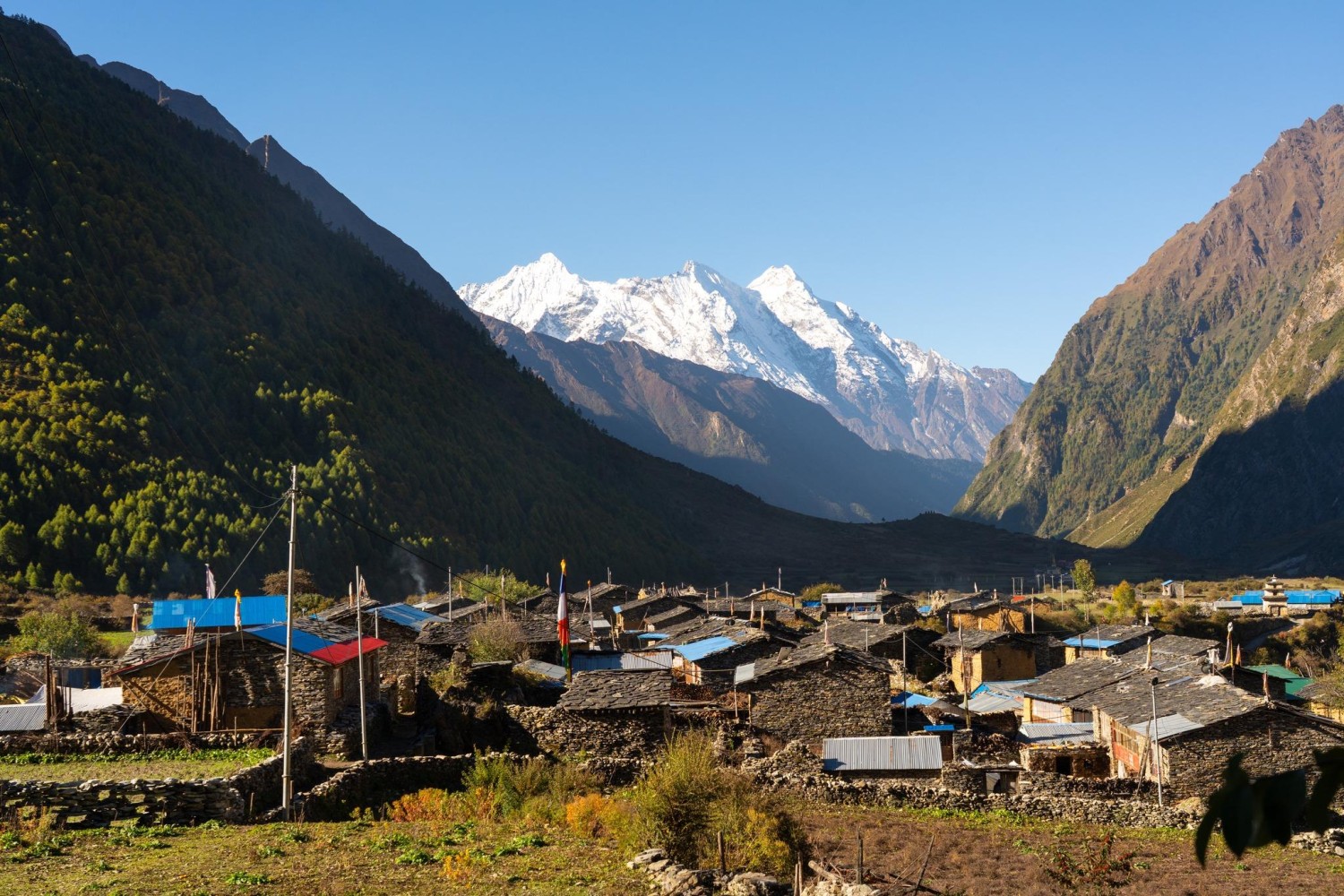
Sama Gaon is the cultural heart of the Manaslu region, and a rest day here is perfect for acclimatization before continuing higher into the mountains. Take your time to explore the village, which is dotted with traditional Tibetan-style houses, prayer flags fluttering in the breeze, and small mani walls along the narrow stone paths. The village sits amidst stunning views of Mount Manaslu (8,163 m) and Himalchuli (7,893 m), making it an ideal spot for photography and gentle walks.

A highlight of the day is visiting local gompas (monasteries) and interacting with the friendly villagers. You can observe daily life, such as shepherds guiding yaks, women tending to fields, and children playing along the trails. Gentle walks to nearby viewpoints or small ridges around Sama Gaon offer panoramic vistas of the Tsum Valley, including terraced farms and glacial streams flowing down from the surrounding peaks. This day also allows trekkers to rest and recharge, preparing their bodies for the upcoming ascent toward Samdo and higher altitudes. Meals at the local lodges provide a chance to try traditional Tibetan and Nepali dishes, giving a true taste of the region’s culture.

Accomodation: Lodge
Meals: Breakfast, Lunch, Dinner
Duration: 3-4 hours
Day 17 — Trek from Samagaon to Samdo
Ups ↑ 350 m
Down ↓ 000 m
Elevation 3880 m
Distance ⟺ 8 km

Leaving Sama Gaon, the trail begins gently, winding past traditional Tibetan-style houses, terraced fields, and prayer flags fluttering along the way. The air gradually becomes crisper as you start ascending toward Samdo. You’ll cross small suspension bridges over glacial streams, offering glimpses of the valley below and the distant snow-capped peaks of Manaslu and Himalchuli.

The path follows a mixture of stone-paved trails and dirt tracks, passing through yak pastures and small forests of juniper and rhododendron. As you climb higher, the landscape transitions into alpine terrain, and the village of Samdo comes into view, perched just below the high Himalayan ridges. Samdo is a quaint village with traditional lodges, mani walls, and prayer wheels, making it a culturally immersive stop. Trekkers often take short walks around the village to explore local monasteries, prayer flags, and panoramic viewpoints, providing excellent photo opportunities. The altitude here is higher than Sama Gaon, so take your time, breathe deeply, and let your body adjust as you approach your overnight lodge stay in Samdo.

Accomodation: Lodge
Meals: Breakfast, Lunch, Dinner
Day 18 — Trek from Samdo to Dharamsala
Ups ↑ 580 m
Down ↓ 000 m
Elevation 4460 m
Distance ⟺ 6-7 km

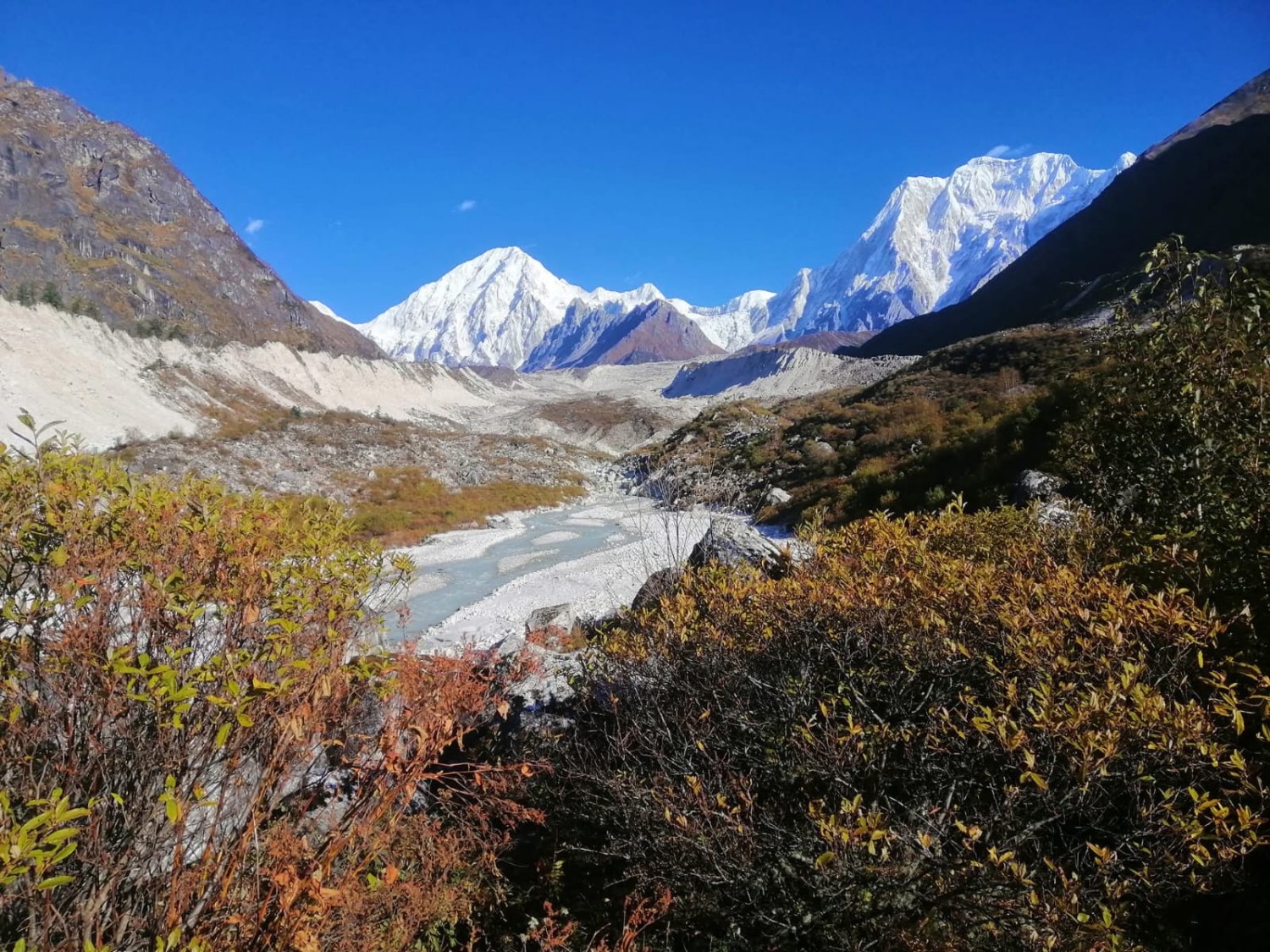
Today’s trek marks a serious transition from cultural trekking to high-mountain terrain, as you move closer to the Larkya La Pass. Leaving the quiet village of Samdo behind, the trail ascends gradually across wide alpine plains, where yaks graze and prayer flags flutter in the wind. The scenery becomes more dramatic with every step, dominated by glaciers, moraines, and towering Himalayan walls.

The path initially follows a gentle ascent along the Budi Gandaki’s upper glacial valley, passing old mani walls and chortens that signal the last permanent settlement before the high pass. As you gain altitude, vegetation thins out, replaced by rocky terrain and icy streams flowing directly from glaciers above.

The trail becomes narrower and more rugged as it climbs steadily toward Dharamsala, also known as Larkya Phedi, the final resting point before crossing Larkya La Pass. This area is stark and remote, surrounded by massive peaks such as Larkya Peak, Cheo Himal, and Himlung Himal. Weather can change rapidly here, with cold winds common even in good conditions.

Dharamsala itself is a basic high-altitude campsite or simple lodge area, offering limited facilities. Trekkers are advised to arrive early, rest well, hydrate properly, and prepare gear carefully for the demanding pass crossing the next day. Early dinner and a very early start the following morning are essential for safety and success.

Accomodation: Lodge
Meals: Breakfast, Lunch, Dinner
Duration: 4-5 hours
Day 19 — Cross Larkya La Pass to Bimthang
Ups ↑ 700 m
Down ↓ 1440 m
Elevation 5160 m
Distance ⟺ 24 km

This is the most challenging and rewarding day of the Tsum Valley Manaslu Larkya Pass Trek. The day begins very early (around 3–4 AM) to ensure stable weather and safer snow conditions. Using headlamps, trekkers leave Dharamsala and slowly ascend toward Larkya La Pass across frozen glacial terrain, rocky switchbacks, and snow-covered trails.

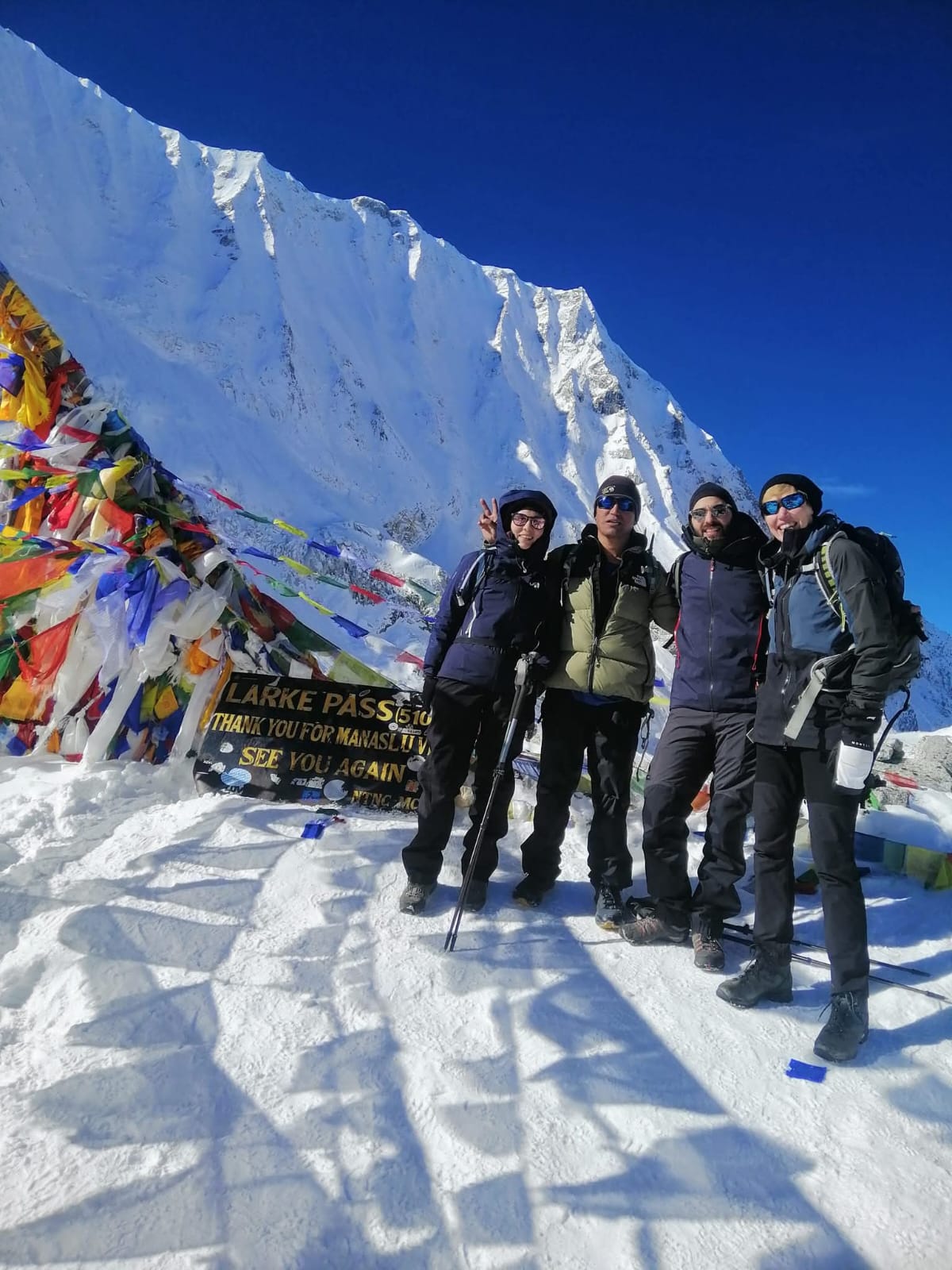
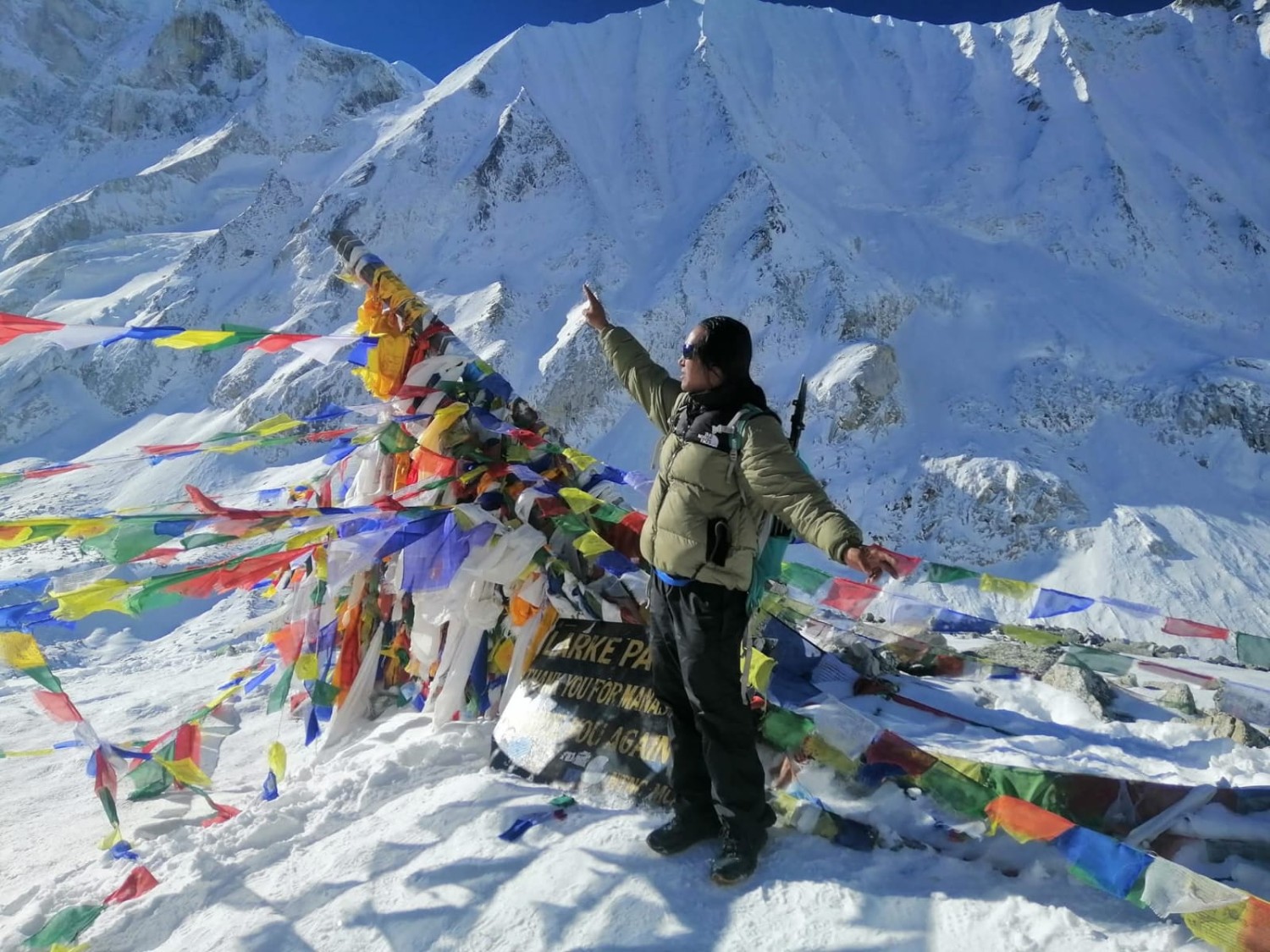
As you gain altitude, the trail becomes steeper and more demanding. The cold is intense, and breathing becomes noticeably harder. After several hours of sustained climbing, you reach the summit of Larkya La Pass (5,160 m), marked by prayer flags fluttering in the wind. From the top, the views are extraordinary, showcasing Himlung Himal, Cheo Himal, Kang Guru, and Annapurna II, creating one of the finest Himalayan panoramas in Nepal.

After celebrating and taking photographs, the descent begins—long, steep, and physically demanding. The trail drops sharply across glacial moraines and snowfields, gradually transitioning into grassy alpine slopes. As you descend further, oxygen levels improve, temperatures rise, and greenery slowly returns.

By afternoon, you reach Bimthang, a beautiful alpine valley surrounded by glaciers and peaks. This peaceful settlement offers comfortable lodges and feels like a reward after the demanding day. The evening is spent resting, sharing stories, and enjoying the sense of achievement after crossing one of Nepal’s classic high mountain passes.

Accomodation: Lodge
Meals: Breakfast, Lunch, Dinner
Duration: 8-10 hours
Day 20 — Trek from Bimthang to Gho
Ups ↑ 000 m
Down ↓ 1200 m
Elevation 3720 m
Distance ⟺ 14-19 km

After successfully crossing the challenging Larkya La Pass, today’s trek is a rewarding descent through changing landscapes, vegetation zones, and traditional villages. Leaving Bimthang, the trail initially descends across wide alpine meadows where you can still enjoy the final views of Mt. Manaslu, Himlung Himal, Cheo Himal, and Lamjung Himal. Early morning light over these peaks often creates one of the most peaceful moments of the entire trek.

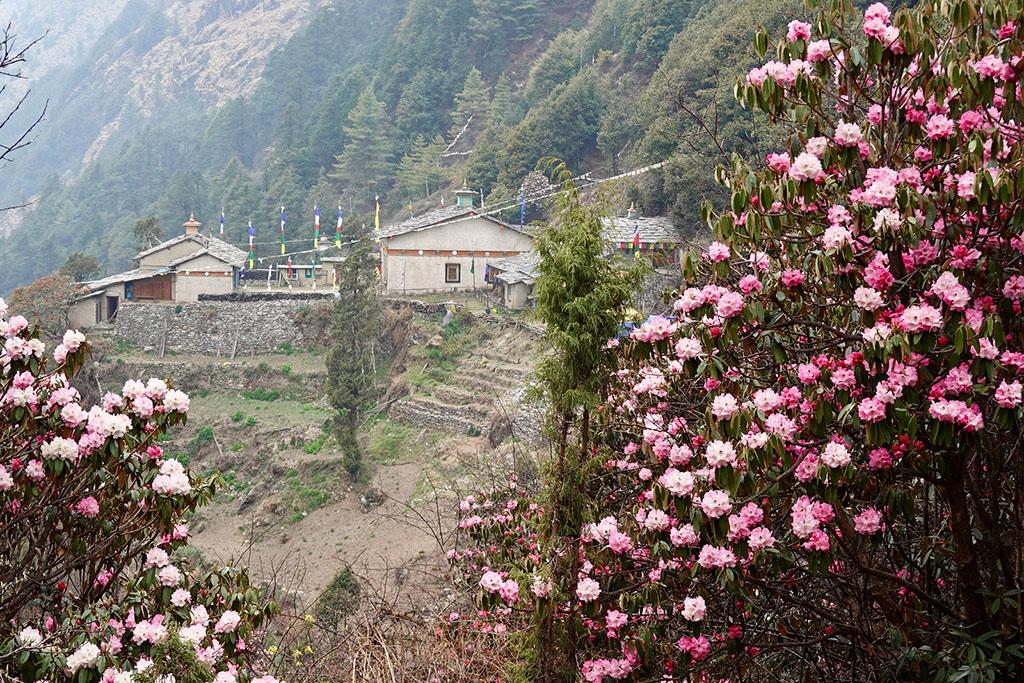
The route gradually drops down following the Dudh Khola River, crossing wooden bridges and passing through glacial moraines before entering lush forests. As altitude decreases, the scenery changes noticeably—from barren high-altitude terrain to dense rhododendron, oak, and pine forests. During spring, these forests are filled with colorful blooms, while in autumn the golden tones make the walk calm and pleasant.

You will pass through Yak Kharka and Karche, small seasonal settlements where local herders graze yaks during summer months. These spots are perfect for short breaks and lunch stops. The trail continues gently downhill, making today’s walk physically easier compared to previous days, yet still rich in natural beauty.

By late afternoon, you arrive at Gho, a quiet Gurung settlement surrounded by forested hills and terraced farmland. Compared to the high camps of recent days, Gho feels warmer, greener, and more settled. The teahouses here are simple but comfortable, offering a well-deserved rest after the high-pass crossing.

This day marks a clear transition from high Himalayan wilderness back into mid-hill village life, signaling that the most demanding section of the trek is now behind you.

Accomodation: Lodge
Meals: Breakfast, Lunch, Dinner
Duration: 5-6 hours
Day 21 — Trek from Gho to Dharapani
Ups ↑ 000 m
Down ↓ 700 m
Elevation 2560 m
Distance ⟺ 12-15 km

Today marks the final trekking day of the Tsum Valley Manaslu Larkya Pass adventure, as we leave the quiet alpine valleys behind and descend toward the more accessible Annapurna region village of Dharapani. Although this is a relatively long day, the trail is pleasant and rewarding, with continuous downhill sections, lush forests, and traditional Gurung settlements.

We begin the morning in Gho, enjoying an early breakfast with views of surrounding hills and forests. The trail initially descends gently through dense pine and rhododendron forests, following a well-maintained path that runs alongside the Dudh Khola. As we walk, the air becomes warmer and richer in vegetation, a clear sign that we are gradually losing altitude after days spent in high mountain terrain.

After a few hours of trekking, we reach Tilije village, one of the most charming settlements in this section. Tilije is known for its stone-paved lanes, prayer flags, mani walls, and traditional Gurung culture. This is an excellent place to take a longer break or lunch, interact with locals, and enjoy the final glimpses of mountain life before re-entering the busier trekking routes.

From Tilije, the trail continues through farmlands, suspension bridges, and forested sections, with a mix of short ascents and descents. The sound of rivers and waterfalls accompanies us along the way. As we approach Dharapani, the trail becomes wider and more developed, as this village sits on the Annapurna Circuit trekking route, connecting Manaslu and Annapurna regions.

We arrive at Dharapani by late afternoon. Dharapani is a lively village with several teahouses, shops, and trekking facilities. Reaching here officially marks the end of the trekking portion of the journey. In the evening, we celebrate the successful completion of this challenging and culturally rich trek, sharing stories and memories over dinner.

Accomodation: Lodge
Meals: Breakfast, Lunch, Dinner
Duration: 6-7 hours
Day 22 — Drive from Dharapani – Besi Sahar – Kathmandu
Elevation 1860 m
Distance ⟺ 250 km drive

Today marks the official end of your Tsum Valley Manaslu Larkya Pass Trek, as you transition from the remote Himalayan trails back to the capital city of Nepal. After breakfast in Dharapani, we begin a scenic overland journey that follows the Marsyangdi River valley before connecting with the main highway to Kathmandu.

The drive from Dharapani to Besi Sahar takes you through traditional Gurung villages, terraced farmlands, suspension bridges, and river gorges. This section of the road is partly rough and bumpy, especially in the early stretch, but it offers a final glimpse of rural mountain life that contrasts sharply with the bustling city awaiting you later in the day.

Upon reaching Besi Sahar, the district headquarters of Lamjung, the road conditions improve significantly. From here, we continue driving toward Kathmandu via Dumre and Mugling, following the Trishuli River. The drive showcases changing landscapes—from alpine terrain to mid-hill forests and eventually to lowland river valleys—highlighting Nepal’s remarkable geographical diversity in a single day.

You will arrive in Kathmandu by late afternoon or early evening, depending on road conditions and traffic. After hotel check-in, you can enjoy a well-earned hot shower, relax, or explore nearby streets for souvenirs and local food. This evening is ideal for reflecting on your journey through the sacred Tsum Valley, the high Himalayan settlements of Manaslu, and the challenging yet rewarding crossing of Larkya La Pass.

Accomodation: Hotel
Meals: Breakfast, Lunch, Dinner
Duration: 8-10 hours drive
Day 23 — Final Departure

Today marks the end of your unforgettable Tsum Valley Manaslu Larkya Pass Trek with Nepal Voyage Treks. Depending on your flight schedule, you will be transferred from your hotel to Tribhuvan International Airport for your onward journey. As you leave Nepal, you carry with you memories of remote Himalayan villages, ancient monasteries, dramatic mountain passes, warm local hospitality, and the immense satisfaction of completing one of Nepal’s most culturally rich and adventurous treks.
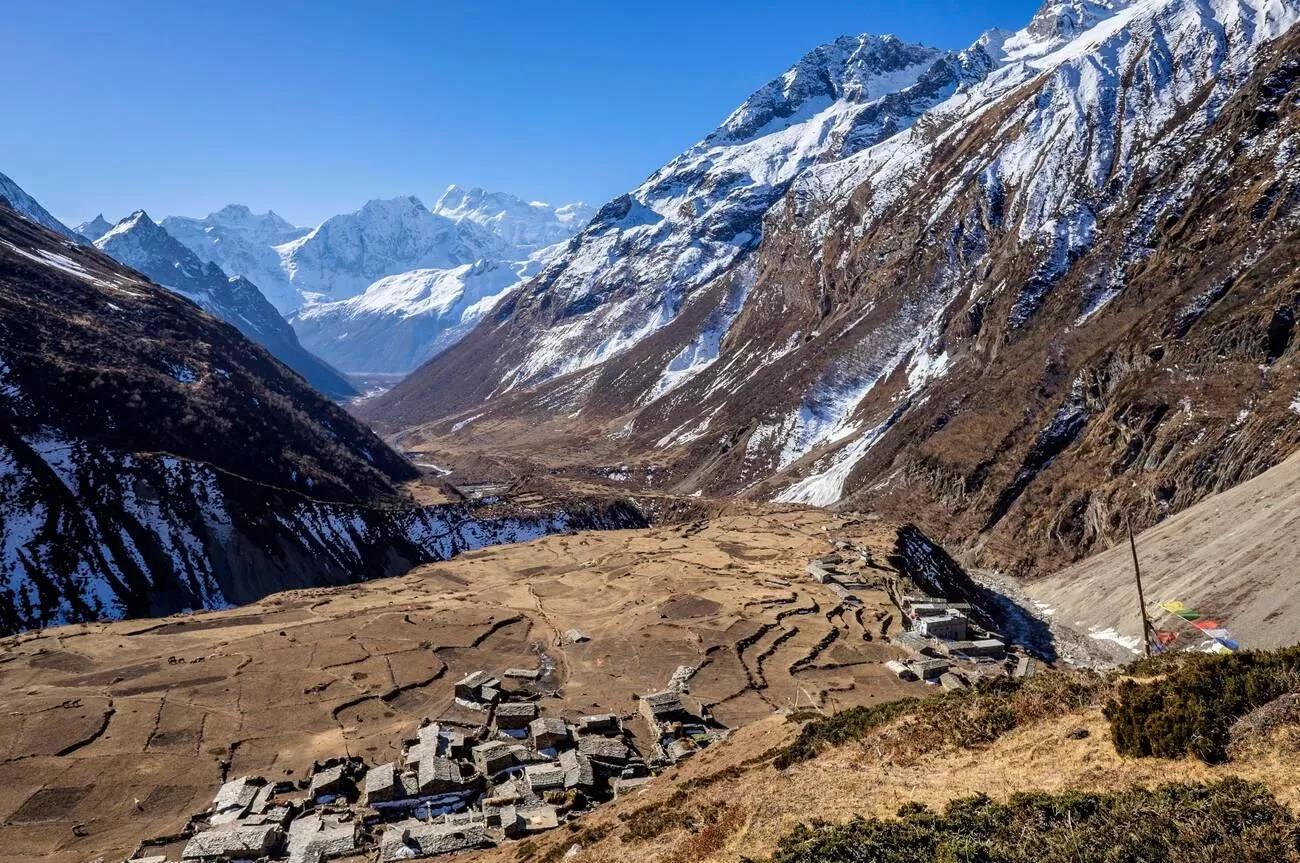
Our team will assist you with all departure arrangements, ensuring a smooth and comfortable transfer. While this journey comes to an end, the experiences, friendships, and stories you’ve gathered along the trails of Tsum Valley and Manaslu will stay with you for a lifetime. We hope this trek has not only challenged you physically but also enriched you culturally and spiritually.

Thank you for choosing Nepal Voyage Treks. We look forward to welcoming you back to Nepal for another adventure in the Himalayas.

Safe travels and see you again!

Meals: Breakfast
Cost Includes
  • Professional trekking guide and support staff to ensure safety and smooth trekking.
  • Accommodation in tea houses and lodges throughout the trek.
  • Daily breakfast, lunch, and dinner during the trek.
  • All necessary trekking permits, including Manaslu Conservation Area Permit (MCAP) and TIMS card.
  • Airport transfers in Kathmandu (arrival and departure).
  • Transportation to and from the trailhead.
  • Optional porters to carry luggage for a more comfortable trekking experience.
  • Emergency support and first aid kit available during the trek.
  • Pre-trek briefing covering the route, safety, and cultural insights.
Cost Excludes
  • International airfare to and from Nepal.
  • Nepal visa fees for entry.
  • Travel insurance (mandatory for trekking, including high-altitude medical evacuation).
  • Personal expenses such as snacks, drinks, souvenirs, and hot showers.
  • Trekking gear and equipment like sleeping bags, jackets, trekking boots, and walking sticks.
  • Tips for guides and porters.
  • Optional activities or side trips not mentioned in the itinerary.
Dates & Prices

Example packages and group departure dates. Replace with real data.

Group departure — 10 Mar 2026
Price: € 2050 per person (twin-sharing)
Group departure — 15 Mar 2026
Price: € 2050 per person (twin-sharing)
Group departure — 20 Mar 2026
Price: € 2050 per person (twin-sharing)
Group departure — 25 Mar 2026
Price: € 2050 per person (twin-sharing)
Group departure — 30 Mar 2026
Price: € 2050 per person (twin-sharing)
Group departure — 05 Apr 2026
Price: € 2050 per person (twin-sharing)
Group departure — 10 Apr 2026
Price: € 2050 per person (twin-sharing)
Group departure — 15 Apr 2026
Price: € 2050 per person (twin-sharing)
Group departure — 20 Apr 2026
Price: € 2050 per person (twin-sharing)
Group departure — 25 Apr 2026
Price: € 2050 per person (twin-sharing)
Group departure — 30 Apr 2026
Price: € 2050 per person (twin-sharing)
Group departure — 05 May 2026
Price: € 2050 per person (twin-sharing)
Group departure — 10 May 2026
Price: € 2050 per person (twin-sharing)
Group departure — 15 May 2026
Price: € 2050 per person (twin-sharing)
Group departure — 20 May 2026
Price: € 2050 per person (twin-sharing)
Group departure — 25 May 2026
Price: € 2050 per person (twin-sharing)
Group departure — 30 May 2026
Price: € 2050 per person (twin-sharing)
Private trip — Flexible dates
Price: Contact us for a quote
All Information
Equipment Checklist During the Tsum Valley Manaslu Larkya Pass Trek
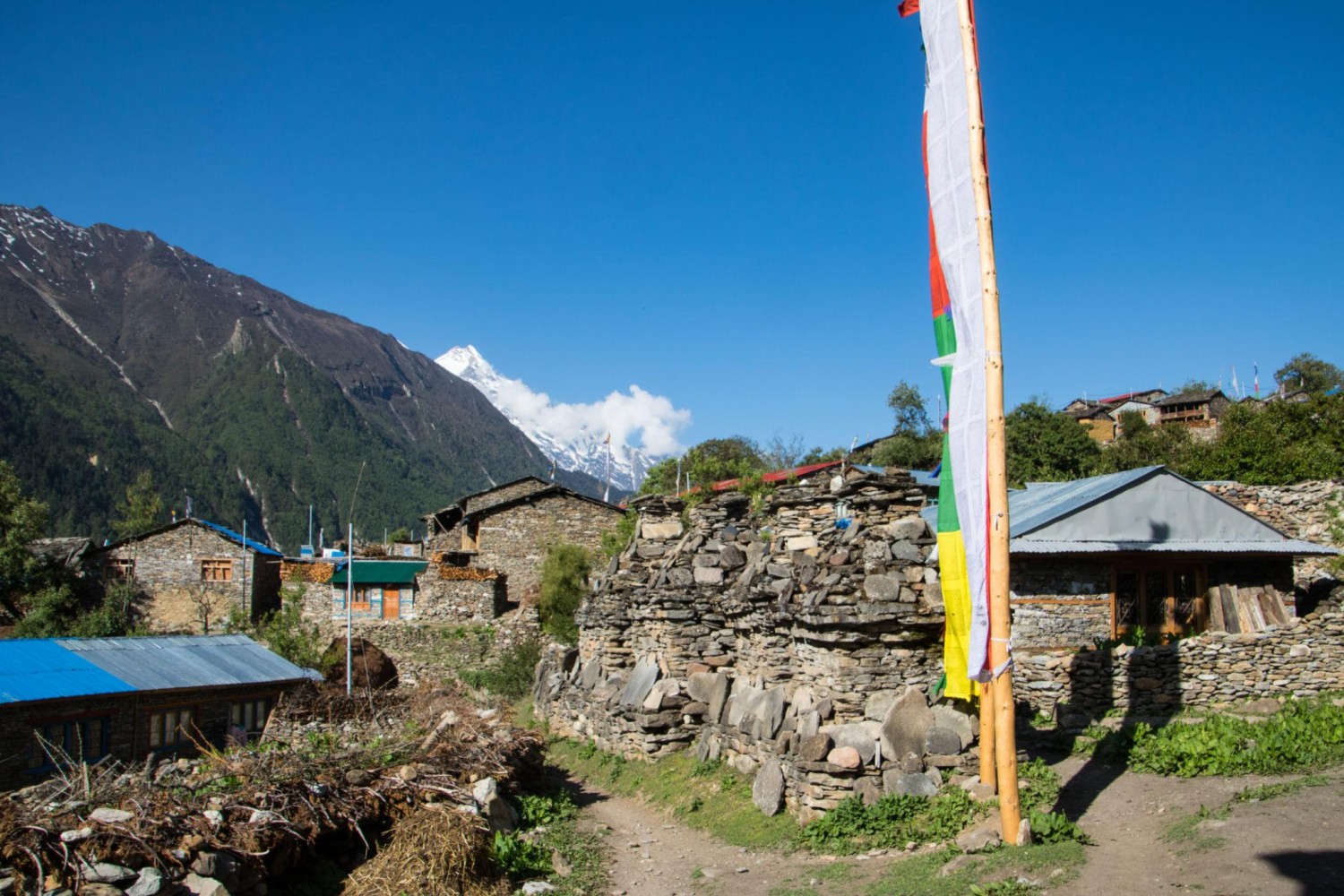
Trekking Equipment Checklist

Trekking in Nepal demands preparation for diverse terrains and unpredictable weather. From warm sunny days to freezing nights, you’ll experience it all. Here’s a category-wise breakdown of everything a trekker should bring:

1. Clothing and Layering System

Layering is key for staying warm, dry, and comfortable. The classic system includes base layers, mid-layers, and outer layers.

Base Layers (Inner Layers)

  • Moisture-wicking T-shirts (2–3 pairs, synthetic or merino wool)

  • Thermal tops and bottoms (1–2 sets, light or midweight)

  • Sports bras (for female trekkers)

  • Quick-dry trekking underwear (3–5 pairs)

Mid Layers (Insulating)

  • Fleece jacket or pullover (1–2)

  • Lightweight down or synthetic insulated jacket

  • Softshell jacket (optional for added warmth)

Outer Layers (Protection)

  • Waterproof and windproof shell jacket (Gore-Tex or similar)

  • Waterproof trekking pants

  • Light windbreaker (optional but useful for lower altitudes)

Trekking Pants and Shorts

  • Convertible trekking pants (2 pairs)

  • Lightweight hiking shorts (1 pair)

  • Thermal trekking tights (for cold days)

Headwear and Handwear

  • Sun hat or cap

  • Beanie or wool hat (for high-altitude cold)

  • Neck gaiter or buff (useful against wind and dust)

  • Lightweight gloves

  • Insulated waterproof gloves (for colder sections)

2. Footwear

Your feet are your best friends in the Himalayas. Good-quality trekking shoes can make or break your trek.

Trekking Footwear

  • High-ankle waterproof trekking boots (well broken-in)

  • Lightweight camp shoes or sandals (for evenings and tea houses)

  • Warm socks (2 pairs of wool or synthetic blend)

  • Liner socks (2 pairs, to prevent blisters)

  • Gaiters (optional, for snow or dusty trails)

3. Backpacks and Bags

Main Backpack

  • 50–70L trekking backpack (with rain cover)

  • Padded hip belt and adjustable straps for comfort

Daypack

  • 25–35L daypack (for daily essentials, snacks, and water)

  • Rain cover for daypack

Duffel Bag (Optional)

  • 70–90L duffel bag (if porters carry your gear; usually provided by trekking agencies)

Dry Bags & Organizers

  • Waterproof dry bags (for electronics, clothes)

  • Packing cubes (for organization)

4. Sleeping Gear

Even though tea houses provide basic bedding, extra insulation ensures comfort.

  • 4-season sleeping bag (rated to -10°C to -20°C)

  • Sleeping bag liner (optional but adds warmth)

  • Inflatable pillow or small travel pillow

  • Lightweight sleeping mat (if camping trek)

5. Eating and Drinking Essentials

Hydration and hygiene are vital for high-altitude trekking.

  • Reusable water bottles (2 x 1L capacity)

  • Hydration bladder (CamelBak style, optional)

  • Water purification tablets or filter (Aquamira, Lifestraw, or Steripen)

  • Mug/cup (for tea/coffee)

  • Spoon, fork, or spork

  • Energy bars, trail mix, or chocolates (snack reserves)

6. Personal Hygiene and Toiletries

Keep it light and eco-friendly—avoid disposable plastics when possible.

  • Biodegradable soap or body wash

  • Toothbrush and toothpaste

  • Small quick-dry towel

  • Wet wipes / baby wipes

  • Hand sanitizer

  • Toilet paper (carry spare rolls)

  • Lip balm with SPF

  • Sunscreen (SPF 50+)

  • Moisturizer (for face and hands)

  • Deodorant

  • Razor and small mirror

  • Feminine hygiene products (for female trekkers)

  • Nail cutter and small comb

7. Health and First Aid Kit

Always carry a personal medical kit, even if trekking with a guide.

Essential Medicines

  • Diamox (for altitude sickness prevention)

  • Paracetamol / Ibuprofen (pain relief)

  • Anti-diarrheal tablets (Imodium)

  • Oral rehydration salts (ORS)

  • Antiseptic cream

  • Band-aids, moleskin, and blister plasters

  • Gauze, medical tape, and scissors

  • Water purification tablets

  • Cough drops / lozenges

  • Personal prescription medicines

  • Mosquito repellent (for lower altitudes)

8. Trekking Equipment & Accessories

  • Trekking poles (lightweight, adjustable)

  • Headlamp with extra batteries

  • Sunglasses (UV-protected, polarized)

  • Power bank (10,000 mAh or higher)

  • Camera or GoPro (optional)

  • Extra memory cards

  • Binoculars (optional for wildlife spotting)

  • Multi-tool or small knife

  • Duct tape (for emergency repairs)

  • Lighter or waterproof matches

  • Notebook and pen

  • Small padlock (for your duffel or room)

  • Travel adapter (Type C/D for Nepal)

  • Portable charger/solar panel (useful for long treks)

9. Camping Gear (for camping treks)

(Optional – if your trek is not teahouse-based)

  • Tent (4-season or 3-season, depending on route)

  • Sleeping mat or foam pad

  • Camping stove and fuel

  • Lightweight cooking pot

  • Matches/lighter and fire starter

  • Reusable cutlery and utensils

10. Important Documents and Money

  • Valid passport (with Nepali visa)

  • Passport-size photos (for permits)

  • Trekking permits (TIMS, Sagarmatha/Annapurna Conservation Permits)

  • Travel insurance (covering high-altitude evacuation)

  • Copies of passport and insurance

  • Cash in Nepali rupees (ATMs are unreliable in mountain regions)

  • Credit/debit cards (for Kathmandu or Pokhara)

  • Emergency contact information

  • Flight tickets and itinerary

11. Optional Comfort Items

  • Reading book or Kindle

  • Playing cards or small games

  • Lightweight scarf or shawl

  • Small Bluetooth speaker

  • Snacks from home (protein bars, instant coffee)

  • Massage ball or roller for sore muscles

12. Packing Tips for Nepal Trekking

  • Pack light but smart – Porters usually carry up to 15–20 kg.

  • Use waterproof bags – Protect valuables from rain or snow.

  • Label your items – Especially useful if you have porters.

  • Avoid cotton – It retains moisture; use synthetic or wool materials instead.

  • Test your gear before departure – Don’t bring brand-new boots or backpacks you haven’t used.

Trekking Insurance for Tsum Valley Manaslu Larkya Pass Trek
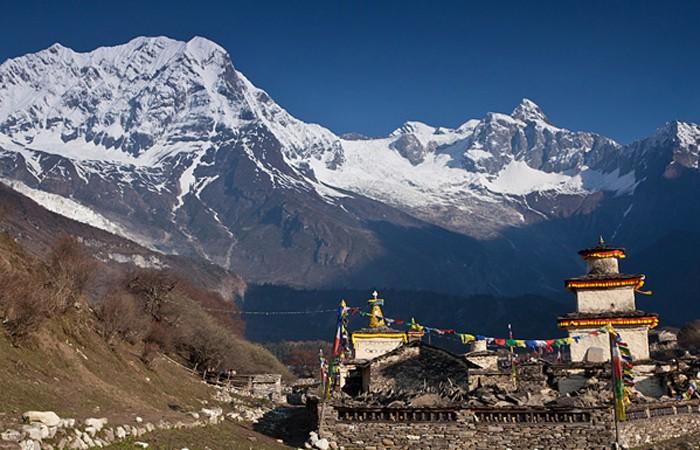
Trekking in Nepal is an adventure of a lifetime, but it also comes with risks — from sudden altitude sickness to unpredictable weather or even flight cancellations. That’s why travel insurance is not just recommended — it’s absolutely essential for all trekkers.

Why You Need Trekking Insurance

Nepal’s trekking trails often reach remote and high-altitude regions like Everest Base Camp, Annapurna Circuit, or Manaslu, where medical facilities are limited. In emergencies, helicopter evacuation may be the only way to get help — and it can cost anywhere between USD 3,000 to USD 7,000 depending on the rescue location.

Having the right insurance ensures that:

  • You receive immediate medical evacuation in case of serious altitude sickness or injury.

  • Your hospital treatment and medicines are covered.

  • You are compensated for trip interruptions, delays, or lost luggage.

  • You have peace of mind throughout your journey.

What Your Insurance Should Cover

When purchasing trekking insurance, make sure it includes the following:

1. High-Altitude Coverage

  • Your policy must clearly cover trekking above 5,000 meters (e.g., Everest Base Camp is 5,364m, Island Peak is 6,189m).

  • Some insurance plans exclude high-altitude activities, so always double-check before buying.

2. Emergency Medical Evacuation

  • Helicopter rescue and air evacuation should be explicitly mentioned in your policy.

  • Look for coverage up to at least USD 100,000 for medical and evacuation purposes.

3. Trip Cancellation or Interruption

  • Covers refunds if your trek is canceled due to illness, weather issues, or other emergencies.

4. Lost or Delayed Luggage

  • Especially useful if your trekking gear doesn’t arrive on time.

5. Personal Liability

  • Covers damages or injuries accidentally caused by you during the trek.

Recommended Insurance Providers for Trekkers

Some globally recognized companies known for high-altitude trekking coverage include:

  • World Nomads – Great for adventure travelers (covers high altitudes and helicopter evacuation).

  • Allianz Travel Insurance – Good for comprehensive trip protection.

  • Global Rescue – Excellent for rescue operations in remote areas.

  • True Traveller (for EU citizens) – Offers solid high-altitude coverage.

  • AXA Assistance – Reliable global provider for general and adventure travel.

(Note: Always verify coverage and terms according to your nationality and travel destination before purchasing.)

Documents You Should Keep

  • A printed and digital copy of your insurance policy.

  • Emergency contact number of your insurance provider.

  • Details of your policy number and coverage limits.

  • Keep these copies with your guide or trekking company, as it helps in case of an emergency.

Tips for Porter and Guides

Porters are truly the unsung heroes of Nepal’s trekking industry. They carry heavy loads through steep trails, help manage logistics, and ensure your journey to the Himalayas is as comfortable as possible. Without their hard work, many treks — including Everest Base Camp, Annapurna Circuit, and Manaslu — would be impossible for most travelers.

Because of their crucial role, it’s important to understand how much to tip porters, how wages work, and how to treat them fairly and respectfully throughout the journey.

1. Porter Wages and Working Conditions

Trekking porters in Nepal typically earn daily wages based on the region, trek length, and company policy.

Here’s a general overview:

Region Average Daily Wage (in NPR) Equivalent in USD (approx.)
Everest / Annapurna Min NPR 3000 per day USD 30
Langtang / Manaslu / Mustang Min NPR 3000 per day USD 30
Short Treks (3–5 days) Min NPR 3000 per day USD 30

Wages usually include food, accommodation, and insurance (if you’re trekking with a registered company).

Wages do not include personal equipment — so make sure your trekking agency ensures your porters are properly equipped with warm jackets, boots, and gloves.

2. How Much to Tip Porters (and Guides)

Tipping in Nepal is customary and expected — not mandatory, but it’s a meaningful way to show gratitude for their hard work in often challenging conditions.

Recommended Tipping Range

Here’s a practical guideline for trekkers joining organized treks with guides and porters:

Trekking Staff Recommended Tip per Day (per Trekker) Example (12-Day Trek)
Porter USD 2 per day USD 24 total
Assistant Guide & Kitchen Helper USD 4 per day USD 48 total
Main Guide USD 10 – 15 per day USD 120 – 180 total
Main Cook USD 5 per day USD 60 total

Example:
If you’re on a 12-day Everest Base Camp Trek with 1 guide and 1 porter, tipping around USD 100–120 for the guide and USD 60–80 for the porter is considered fair and respectful.
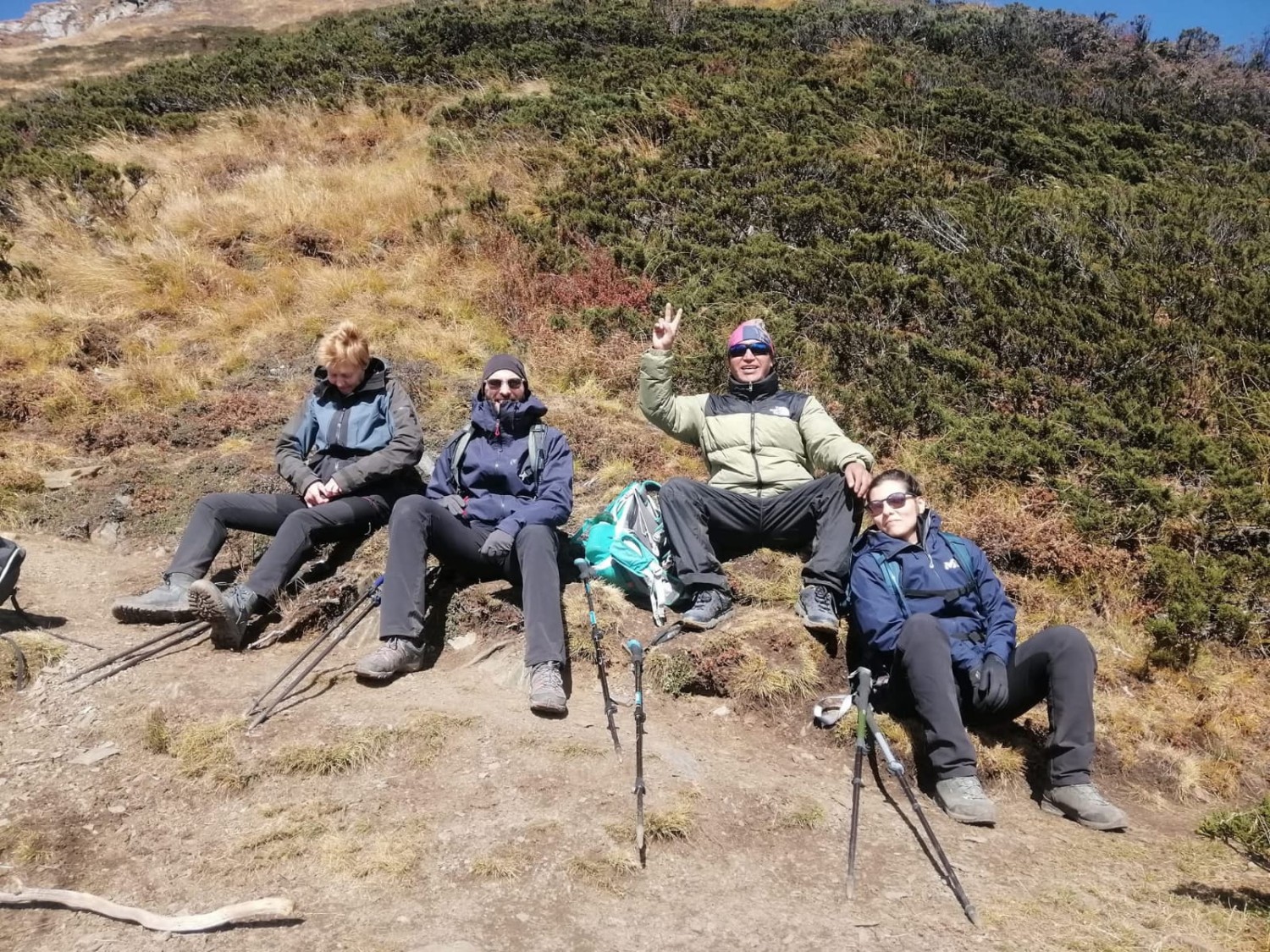
Group Tipping Option

If you’re trekking in a group, it’s best to collect all tips together and present them as a group gesture at the end of the trek.
This ensures fairness and avoids confusion about who gets what.

Tip etiquette: Always hand over tips at the end of the trek — in a private and respectful way, preferably inside an envelope. Avoid giving money in public to prevent comparison or misunderstanding among staff.
3. Ethical Guidelines for Trekkers Regarding Porters

Tipping is just one part of ethical trekking. Responsible trekkers also ensure their porters are treated with respect, safety, and dignity.

Treat Porters Fairly

  • Respect their limits: A porter should carry a maximum of 20–25 kg (including personal items).

  • If your baggage exceeds this, consider hiring an extra porter instead of overloading one.

  • Don’t make them rush or walk far ahead — pace should match the group.

Provide Proper Gear

Always make sure your trekking company:

  • Supplies porters with warm clothes, gloves, waterproof jackets, boots, and sunglasses.

  • Provides accommodation, meals, and insurance for them throughout the trek.

  • Ensures safe sleeping arrangements (especially during cold nights in high-altitude regions).

Look After Their Wellbeing

  • Check regularly if your porter is feeling well, especially above 3,000 meters.

  • If they show symptoms of altitude sickness (headache, nausea, fatigue), do not pressure them to continue — let them rest or descend.

  • Encourage guides to treat them as equals, not just staff.

4. When and How to Tip Porters

Timing and presentation matter — it’s about appreciation, not just money.

When to Tip

  • At the end of the trek, usually after the final dinner or farewell ceremony.

  • Avoid giving tips early in the trek; it’s better to do it once you’ve completed the journey together.

How to Tip

  • Place the tip in an envelope or small pouch for a more professional gesture.

  • Hand it personally with a smile, handshake, or a simple “Dhanyabad” (Thank you in Nepali).

  • If your porter doesn’t understand English, your guide can help translate your gratitude.

5. Other Ways to Appreciate Porters

Money isn’t the only way to show respect. Small acts of kindness often mean just as much:

  • Share tea or snacks during breaks.

  • Offer warm clothes or trekking gear you no longer need (jackets, gloves, socks, etc.).

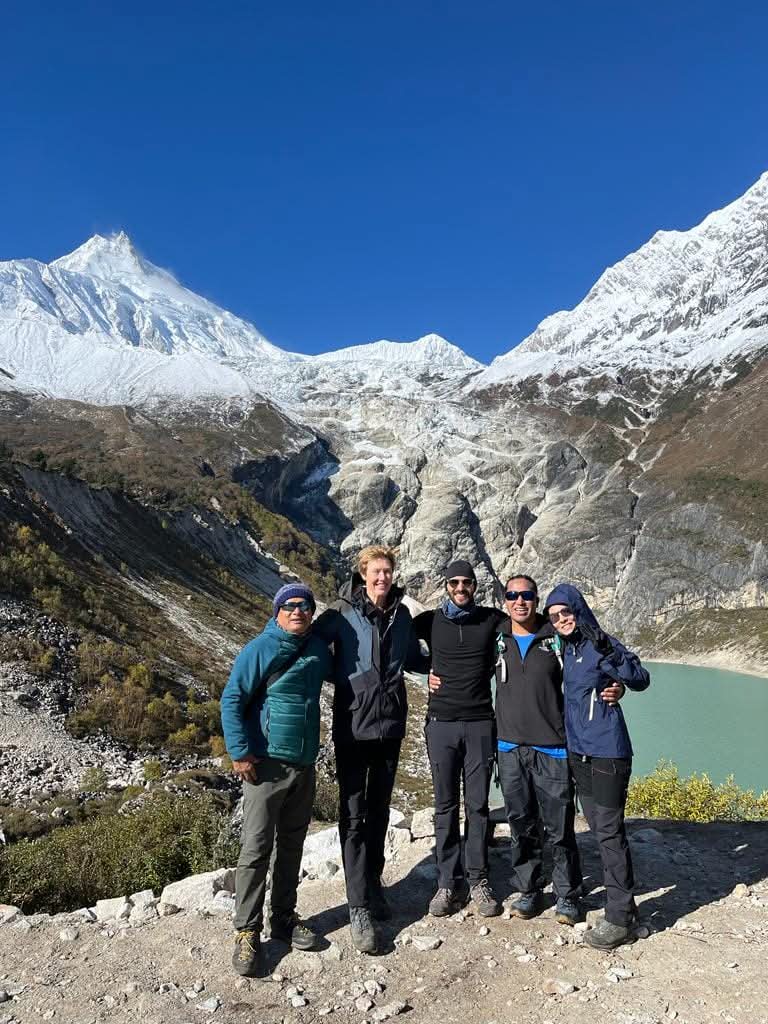
  • Include them in group photos — they love being remembered as part of your journey.

  • Leave positive feedback mentioning your porter’s name on Google or TripAdvisor; it helps them get more jobs in the future.

6. Quick Summary: Porter Tipping and Ethics

Aspect Recommendation
Daily Wages USD 30 depending on region
Tip Range USD 5–10 per day per trekker
Load Limit Max 20–25 kg per porter
When to Tip At trek completion, in private
Additional Gestures Share tea, donate used gear, give verbal appreciation
Respect & Care Ensure fair treatment, proper gear, and safety

Final Note

Your porters play a huge part in making your trek safe, comfortable, and enjoyable. A fair tip, a kind word, or a small gesture of appreciation shows that you value their effort and humanity.
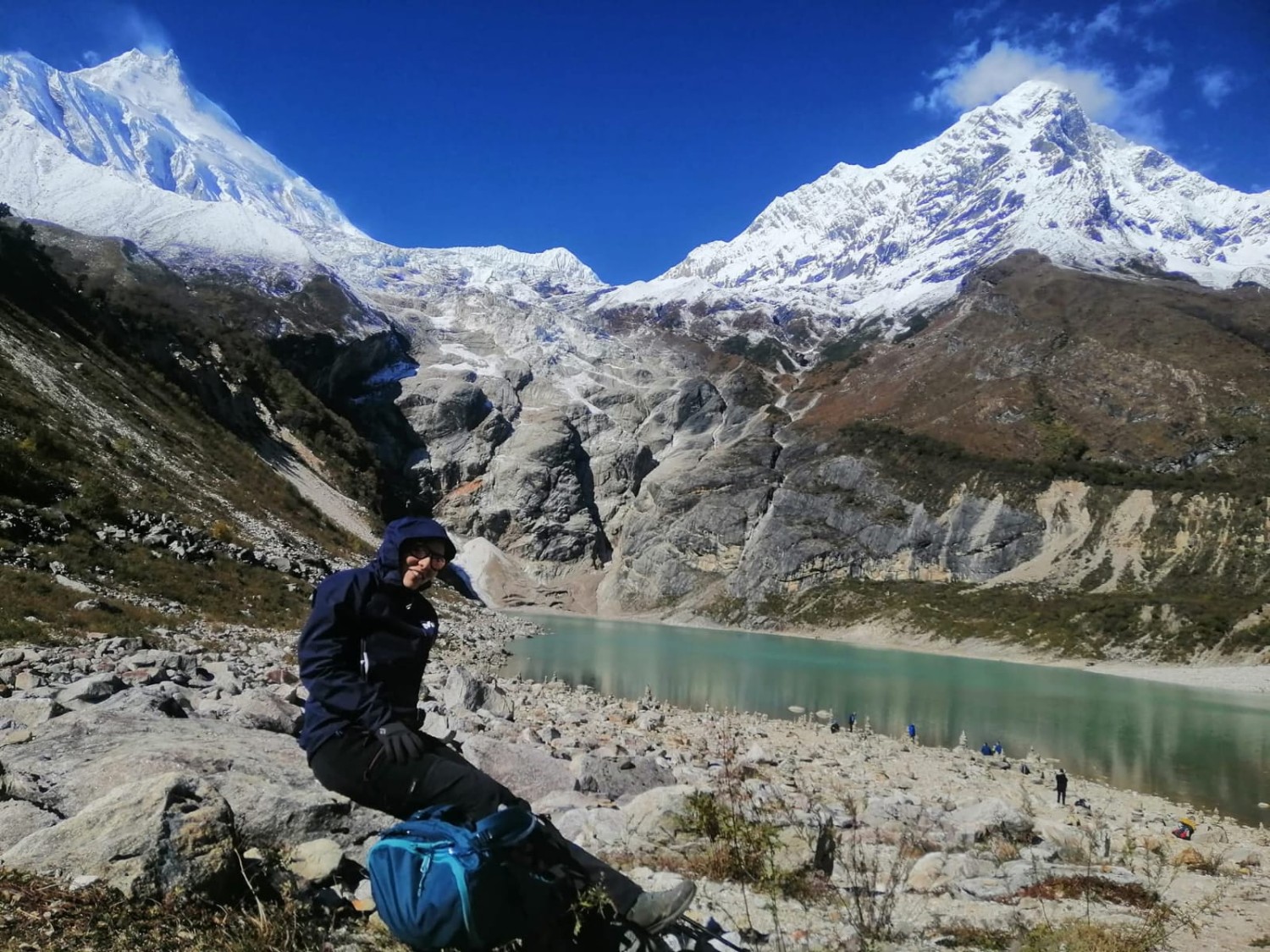
When you treat them well, you don’t just finish your trek — you build a meaningful connection with the mountain community that makes Nepal’s trekking culture so special.

ASSOCIATED WITH

Tourism Board
Nepal Government
Keep
NMA Nepal
TAAN

WE ACCEPT